click here to read chapter 4

3. Diets

3.5. Vegetarian & Vegan

Vegetarianism is a diet which excludes meat, fish, and poultry. It includes foods such as fruits, vegetables, grains, nuts, and legumes. Vegetarianism is not a new diet, as it is part of Hindu and Buddhist religions. However, the modern vegetarian movement that also encompasses non-religuious people accross the globe, originated in 19th century Europe and gained traction with the rise of animal welfare and environmental movements.

Ovo-lacto vegetarians are vegetarians who consume both eggs and dairy products. This type of vegetarianism is the most common form of vegetarianism and allows for a wider variety of foods. Some vegetarians also consume fish, in addition to plant-based foods. This type of vegetarianism is less restrictive than ovo-lacto vegetarianism and allows for more dietary flexibility.
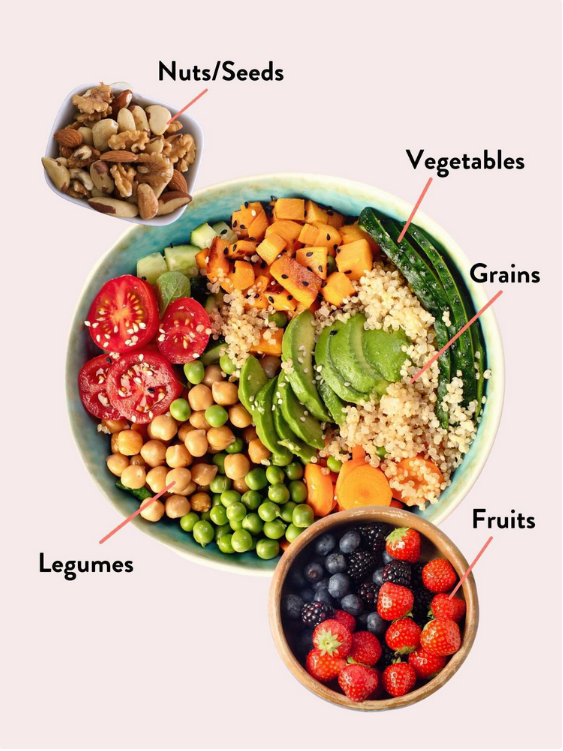
Veganism is a more restrictive form of vegetarianism. It eliminates all animal products, including dairy and eggs. Veganism is derived from the ethical belief that animals should not be used for food or any other purpose. It has recently gained popularity due to alleged health benefits and its contribution to animal rights and environmental sustainability. The vegan movement has been growing rapidly in the 21st century and is now a mainstream dietary trend. Concerns exist however exist regarding the naturally low intake of vitamin B12, iron, and calcium. It is important that vegans ensure adequate intake of these nutrients from other sources.

A wide range of vegan products are nowadays available in many supermarkets. They can no longer be considered niche products. Some of these are however highly processed foods and their real health value might be questionable.