click here to read chapter 4
4. Sustainability
4.1. Local & Regional
"Carbon footprint" has become a common phrase in recent years. Companies try to reduce their carbon footprint by adopting production methods that release less carbon dioxide, methane, and other greenhouse gases, or consume fewer resources. Long transport routes including ships or airplanes that burn fossile fuels are therefore undesirable. Consumers have become more and more concious about these issues and prefer to buy products that are produced locally or at least within the region. While buying blueberries from Chile in Germany in December was trendy a while back, it has now become a symbol of environmental thoughtlessness.
This trend has opened new marketing ways for producers who sell their produce in local farmers' markets, through vegetable box subscription schemes, or on-farm shops. Pickled cucumbers from the region e.g. can also be marketed as a local speciality or traditional recipe.
Another offspring of this trend is the "homemade" or "grandmother's recipe" movement. With many of the younger generation no longer being able to cook a meal from scratch, the desire for "true" and traditional taste has become stronger again. This is the opposite trend to the fast & convenient preferences of the same generation.
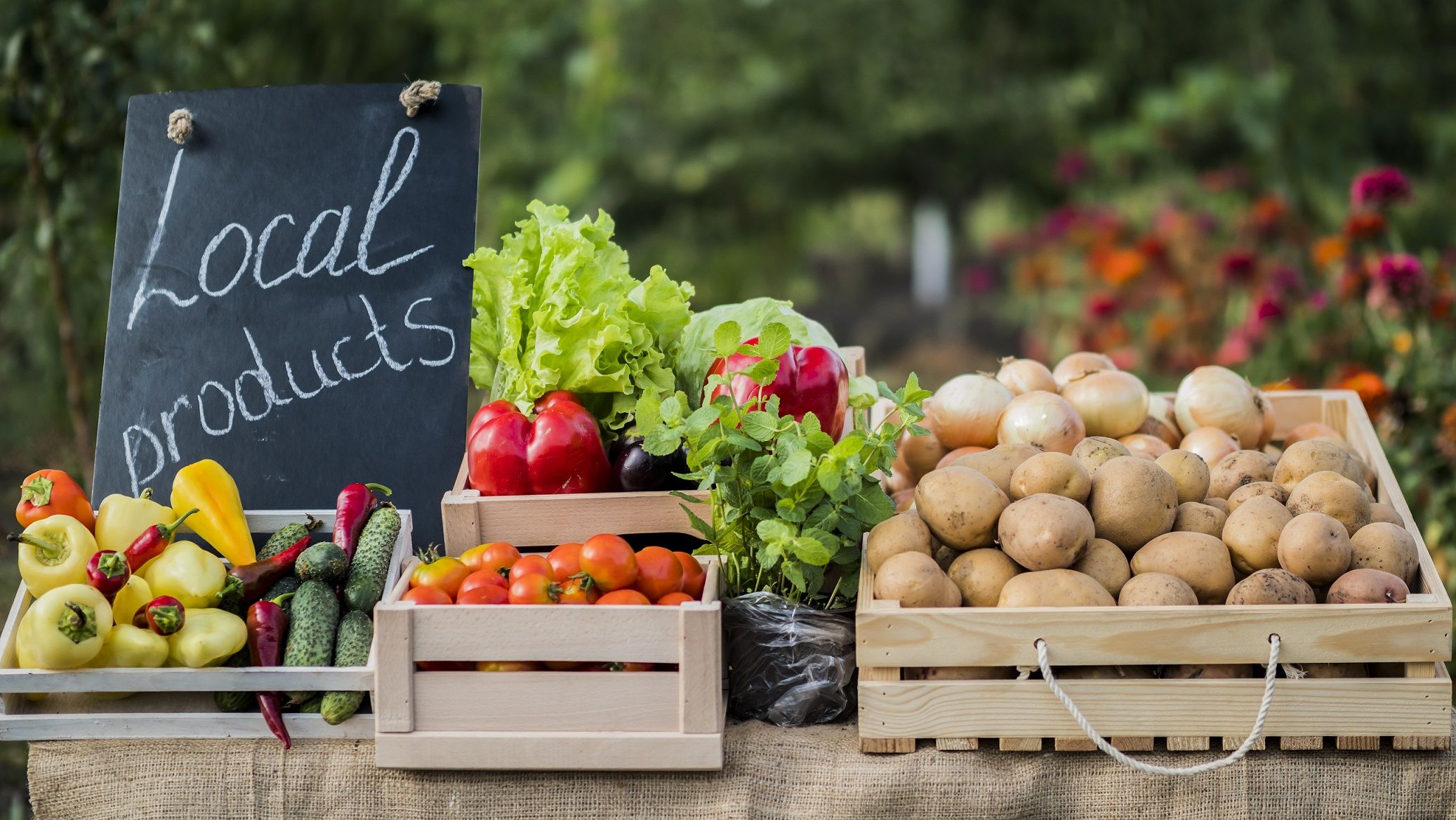
Image source: https://projects2014-2020.interregeurope.eu/fridge/news/news-article/9013/regional-food-labels-in-fridge-regions-part-2/