What is waste management?
3. Rethink
Check out the website of HPW. HPW is a fruit processor in with facilities in Ghana and Ivory Coast. In 2019 they developed a new waste management strategy and looked at:
1. environmental factors
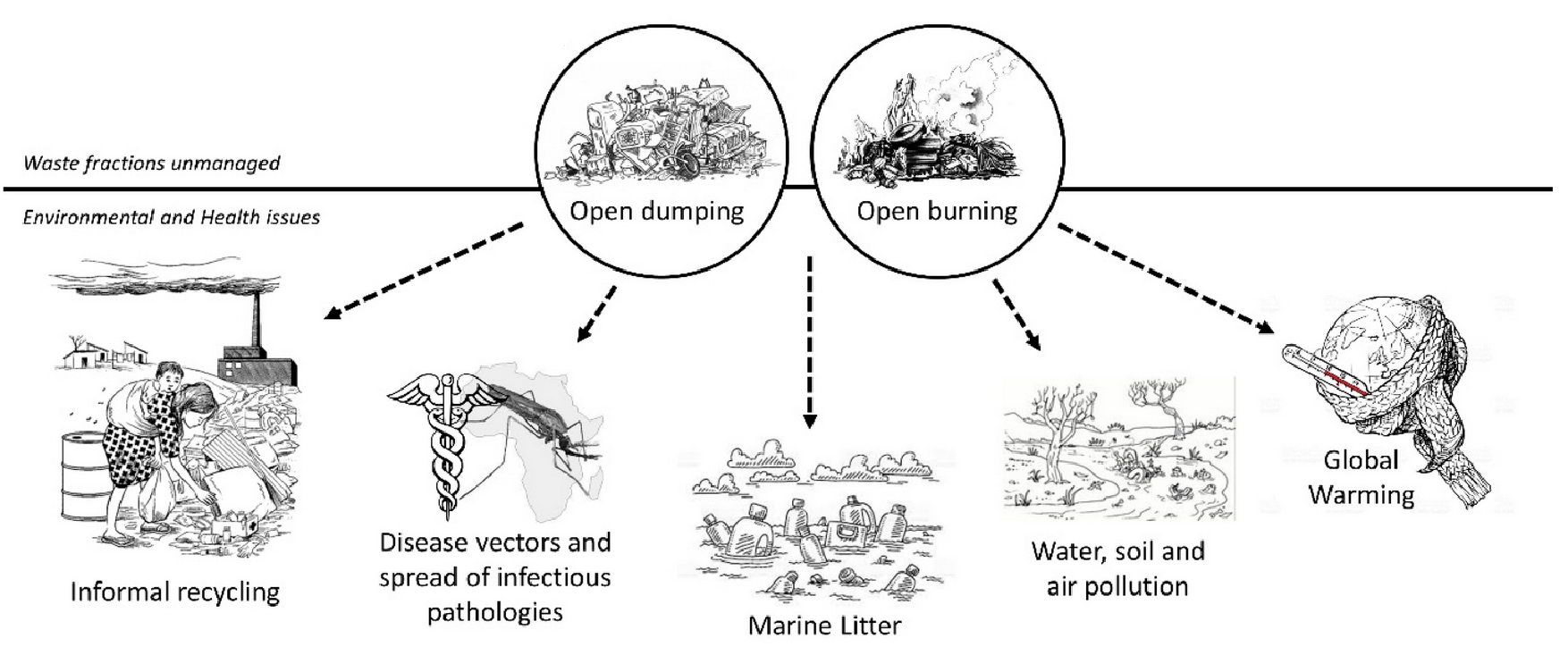
2. the brand image: companies can use their waste management efforts to communicate their environmental policies and to brand themselves as commited and responsible. In this day and age it is also important for companies to avoid public relation disasters that could be caused by images of bad waste handling appearing on social media.
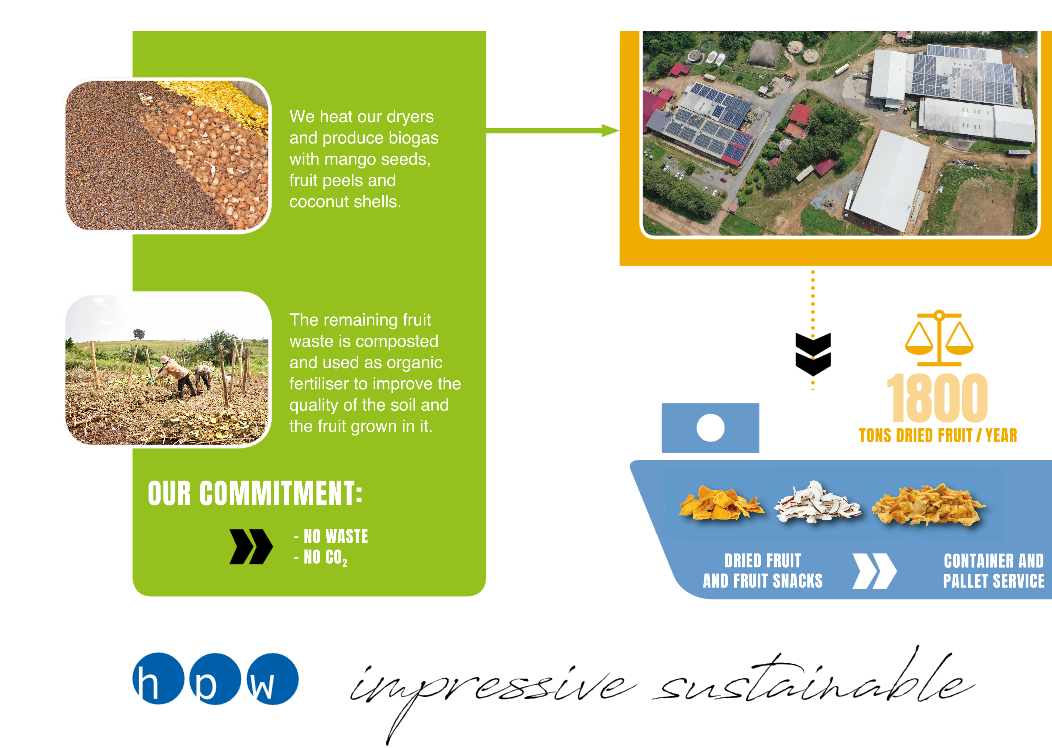
3. various cost aspects: Aspects that need to be considered can be cost of hiring a waste disposal service provider, cost of inhouse waste disposal (transport, manpower, etc.), cost of energy that could be produced from waste vs. investment in burner, cost of freshwater vs. wastewater treatment, cost of fertilizer vs. cost of composting, cost of alternative packaging materials, cost of waste as percentage of purchased raw material, cost of storage, cooling or logistic equipment vs. cost of storage losses, etc.
4. efficiency of processes: a large amount of raw material can be lost before processing if logistics of purchase (timing of harvest and transport, ripeness of crop, etc.), storage and cooling at the facility and order of processing (e.g. FIFO) are not coordinated adequately leading to unripe or overripe crop being delivered to the facility at times with limited cooling or storage capacity, etc. Investment in software that helps monitoring and planning might be necessary to improve inefficient processes. It could also be useful to rethink organizational structures if the chain of command and responsibilities are unclear or overly long, manpower allocations are unjustified or inadequate, or structural conditions of the buildings lead to errors or difficulties.
5. possible new products: in some cases valorization of waste can be a viable option. Some examples will be disussed in chapter 7.