What is waste management?
6. Reuse
To reduce waste it is easiest to not produce it in the first place. Avoid single-use items wherever possible and replace them with items and materials that can be re-used. This can be an issue in food processing businesses, where high hygiene standards require the use of personal protective gear (PPEs), like gloves, masks, paper towels, etc.
In the case of most single-use PPE, it’s highly advised not to try and recycle your used products. This extends to:
Disposable face masks
Gloves
Aprons and hair covers
Paper towels, tissues and napkins
Disinfecting wipes
These pieces of equipment are often flimsy and clog
machinery at recycling plants. Check for the availability of programs that collect, clean and then repurpose PPE made from materials such
as vinyl, latex and nitrile. Therefore, before a purchase decision is made check if the item in question can be
recycled.
Paperbased items that cannot be recycled, like papertowels, etc. can be pressed into pallets or brickets and used as fuel.
Avoid individually packed meals or beverages and invest in plates, cutlery, cups and glasses, as well as water dispensers.
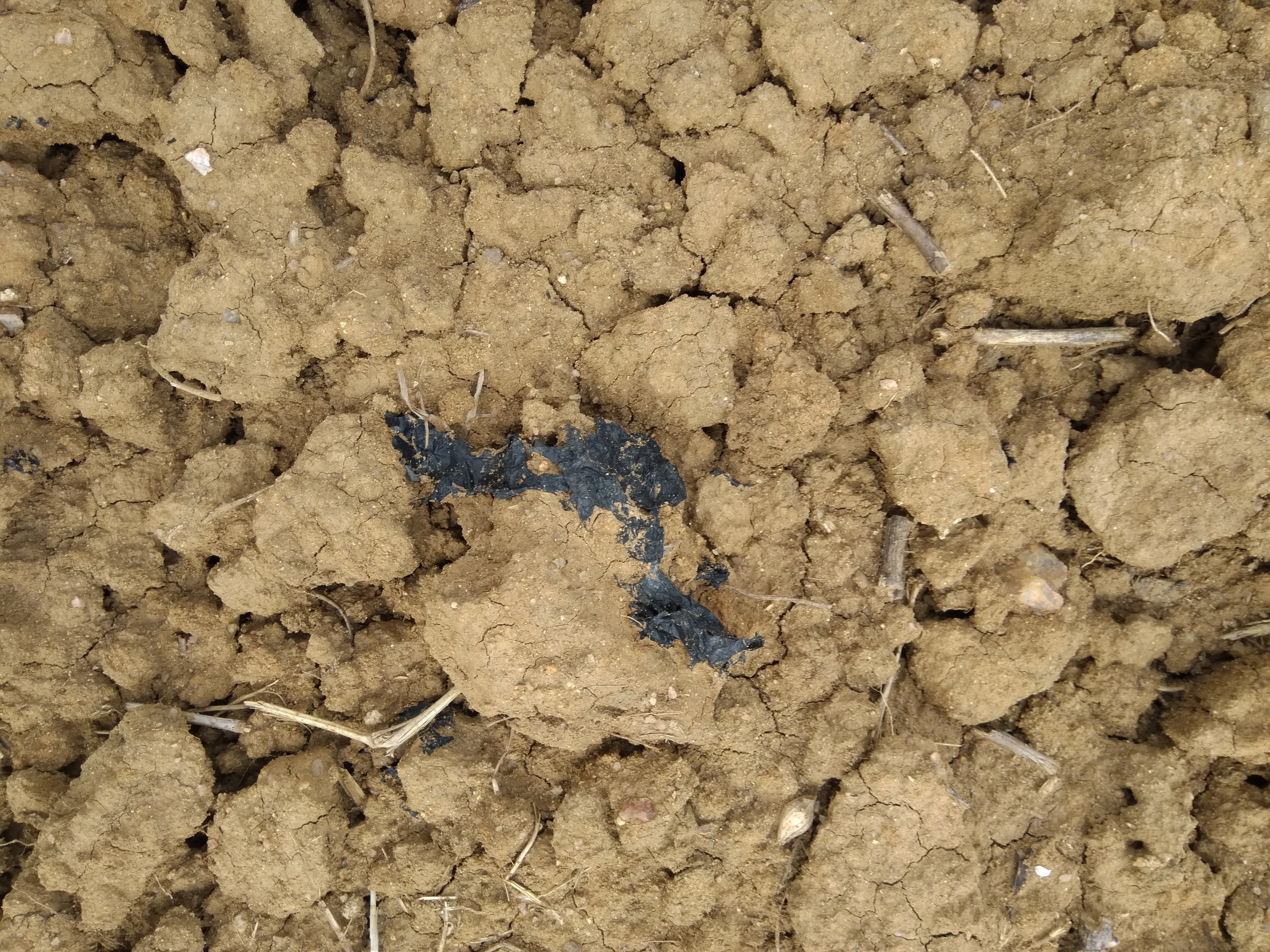
Image: Plastic mulch residues in a ploughed field
Some cultivation methods, e.g. for pineapples, require that the soil between the rows is completely covered to avoid evaporation and weed growth. Plastic mulch is common, however cannot be recovered during harvest and is usually ploughed into the soil, where it very slowly breaks down contaminating the soil with microplastic. A better option would be a mulch that decomposes completely, like cardboard or grass cuttings, or a leguminous cover crop.