What is waste management?
5. Reduce
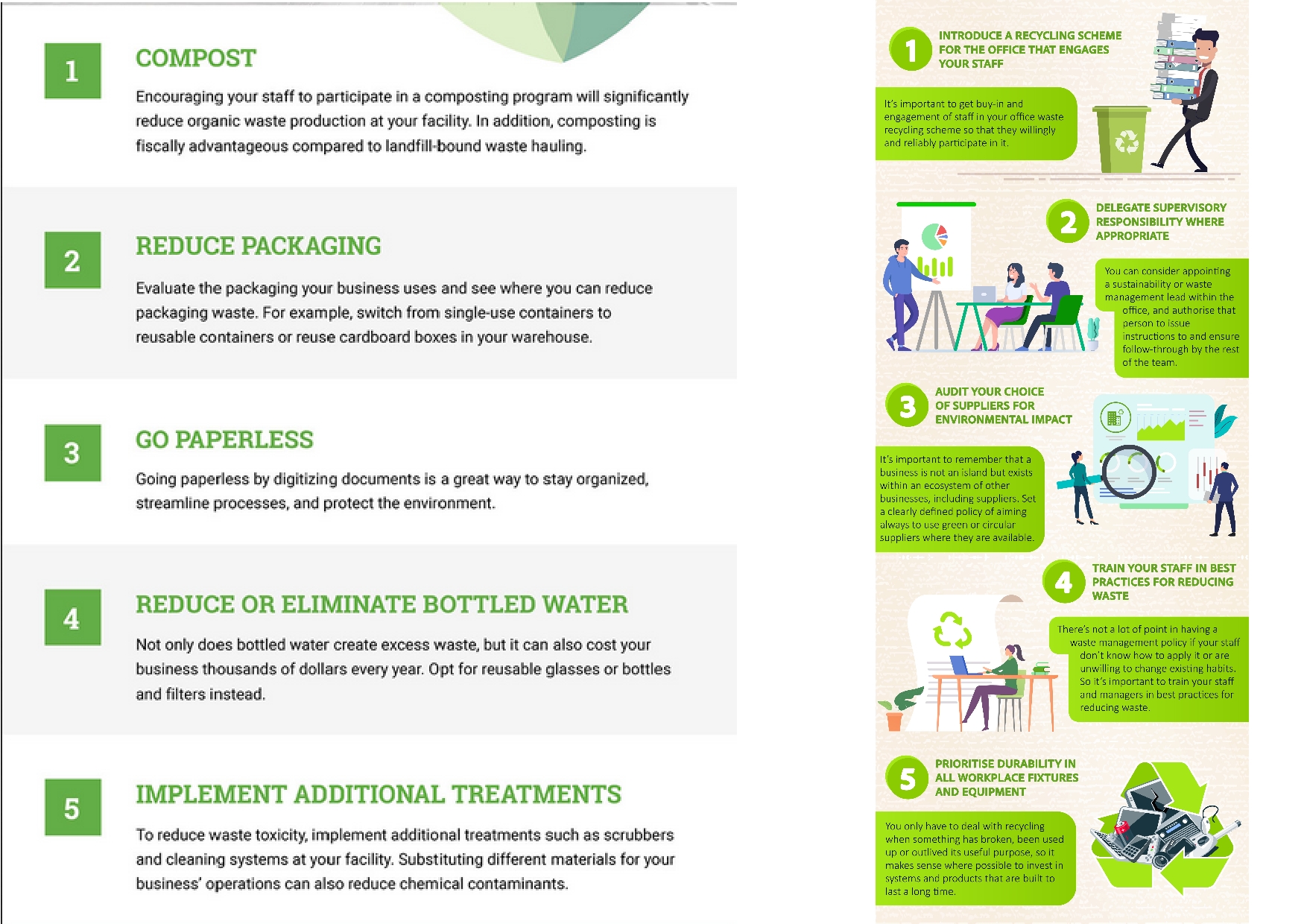
To reduce the amount of waste created by your company the highest amount of management is needed. It starts with making responsible decisions along your supply chain, setting up workflows, organizational structures and procedures that ensure low pre-processing losses, ensuring that waste can be collected seperately at all stages and is recycled as much as possible, collaborating with the HR department to close information and training gaps among staff, perfecting storage, logistics and sales to prevent after-processing losses, investing in technologies that help reduce waste, and to keep yourself informed about any developments, problems, and opportunities in your business that could lead to increased waste or help reduce waste. Waste reduction should become part of your company's culture and your waste management strategy should be reviewed regularly.
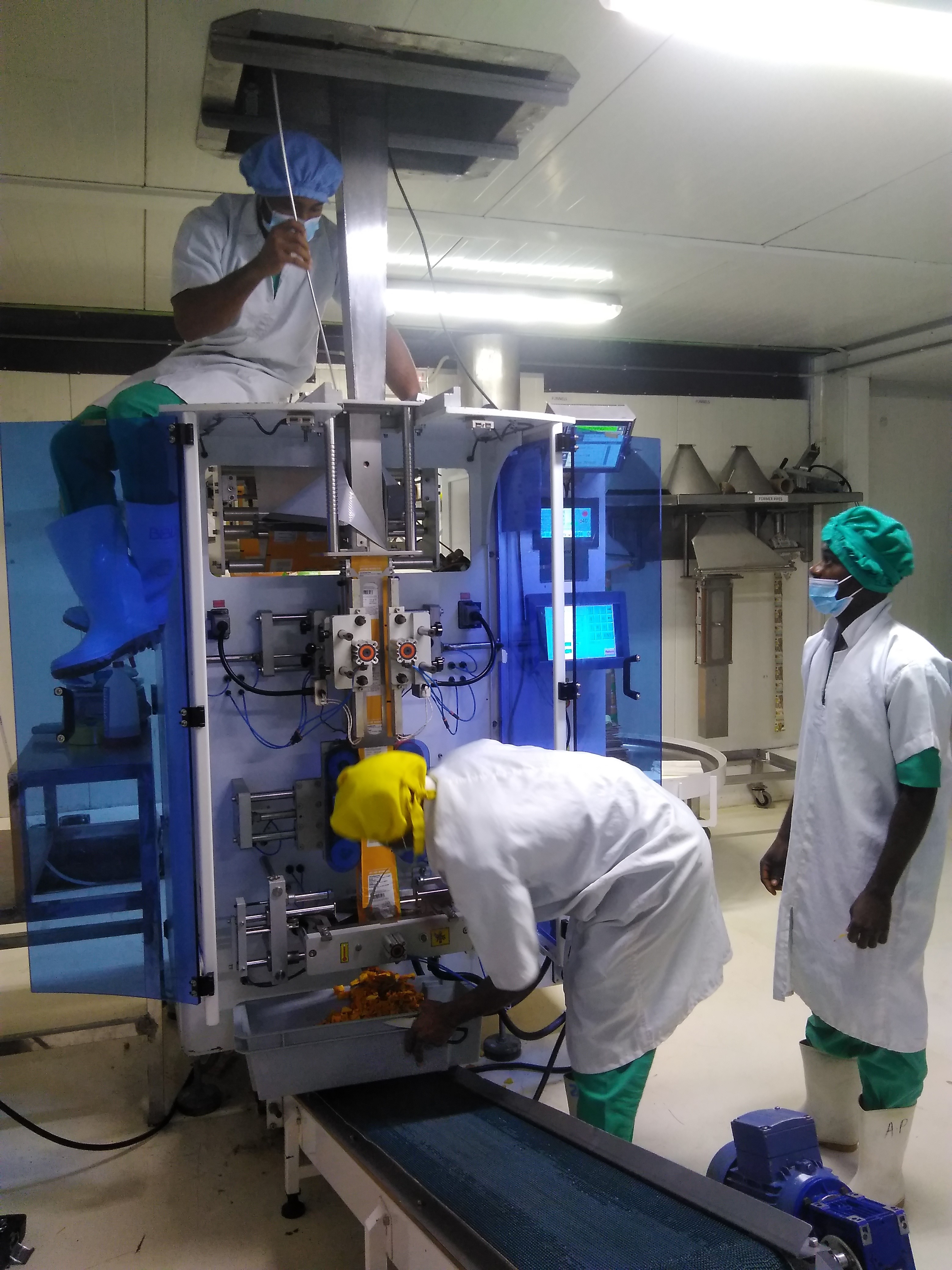
Example: You produce 3 different products. The machine that packs and lables your products is difficult to adjust. Everytime, you change from packing one product to another, it takes a large amount of packing material and labels to fine-tune the machine, before you can start packing. This causes large amounts of unnecessary packaging and label waste, which is also costly. To reduce waste you can either minimize the amount of times you change over from one product to another and package as much as possible of one product at each run, or you bring in a technician from the machine seller to improve the machine settings and train your staff better. In any case, it is important for management to be aware of these kinds of problems to be able to address them.