Sanitation Standards
3. Storage
To safely store food, it is necessary to:
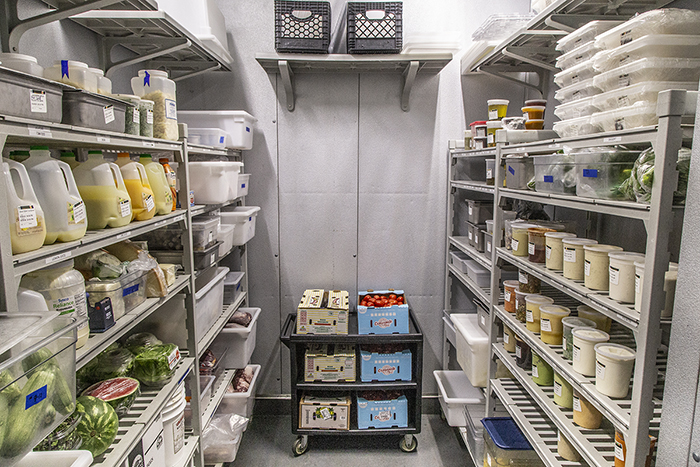
store food in areas specially designed for food storage, such as refrigerators, coolrooms, pantries and food storerooms
store food in clean, food-grade storage containers
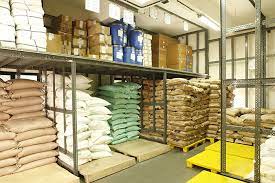
never store food on the floor or on pallets, or in areas containing chemicals, cleaning equipment, clothing or personal belongings
avoid storing food at the temperature danger zone at which bacteria grow quickly in high-risk foods ( 5°C - 60°C)
keep perishable foods at 5 °C or colder, and keep frozen foods frozen solid during storage at –15 °C or colder. Cool rooms, refrigerators and freezers must have proper thermometers, and temperatures should be checked regularly.
place newly received goods at the back of the shelf and the oldest items at the front to ensure a FIFO system (First in - first out). Remove and avoid using foods that are past their use-by dates, spoilt, or are in damaged containers or packaging
keep raw foods and ready-to-eat foods separate, to avoid cross-contamination
not store food in opened cans, repurposed single-use (dispoasable) containers, or containers that have been used to store things other than food
always wash and sanitize storage containers before use and dispose of containers in poor condition
cover food with tight-fitting lids, foil or plastic film, to protect the food from dust, insects and cross-contamination
not leave food out to cool for more than 1 hour. Large portions of food cool faster if divided into smaller portions. As soon as food has cooled, place it in the refrigerator or freezer
Take special precausions when handling fresh eggs or egg-containing raw food products. They must be regarded as highly perishable, stored under cold conditions and be used up within 24 hours
Transport vehicles are to be regarded as extended storage facilities and to be treated in the same way
train staff in safe food handling and storage