Methods of food preservation
7. Fermentation
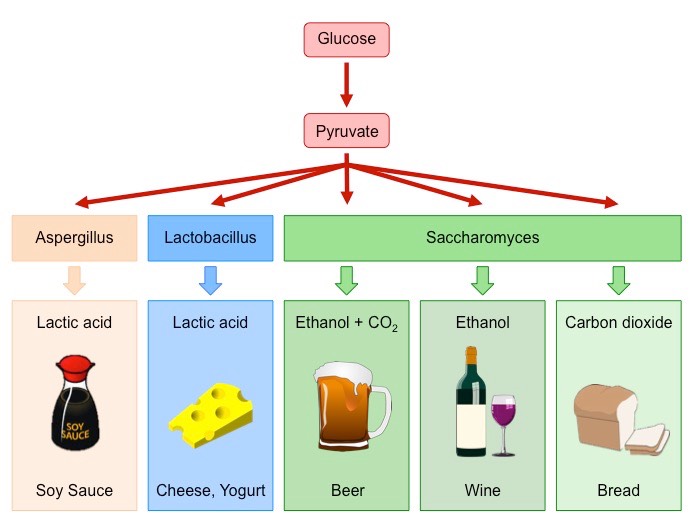
This
process involves the conversion of carbohydrates into alcohols and organic
acids, which can preserve food for longer. In this process beneficial bacteria are used, which produce lactic or acetic acid, bacteriocins, and hydrogen peroxide, and act as biopreservatives. Many fermented foods are favoured for their health benefits due to the beneficial microbes that develop in lactic acid-fermented vegetables. However, in order to keep these microorganisms alive, these foods cannot be sterilized and need to be refrigerated. Typical examples are Sauerkraut and kimchi.