Materials for packaging
5. Sustainable packaging materials
5.5. Transport packaging and padding
1. Corrugated cardboard
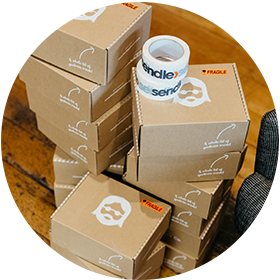
Cardboard is the most often used packaging material in shipping of goods. Cardboard boxes can be made from up to 100% recycled
material. They are also reusable or can be recycled up to 25 times, which extends their lifespan. They can also
to be composted, making them an all-round sustainable packaging material.
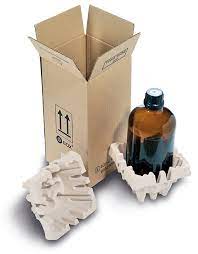
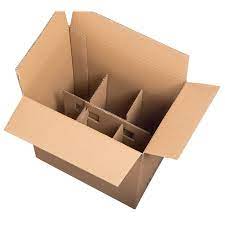
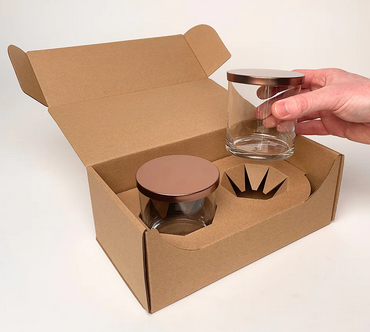
The strength of the cardboard box should be sufficient to protect your product during transport and shipping. If necessary it can be strengthened with formed cardboard pieces that can also assist to separate products like bottles or to hold them securely in place.
2. Packing paper
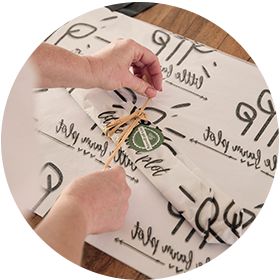
To cushion the product inside the transport box to prevent rattling and breakage a variety of different 'void fill' is used to lock products
in place. Paper is a popular choice for this, either crumpled up
into paper balls or as shredded paper, stuffed around the product. More delicate items can be wrapped in tissue paper.
Paper packaging, like cardboard, is reusable, recyclable and can also be composted.
Alternatives for shredded paper that are also sustainable are shredded cellulose or wood wool.
3. Reusable plastic tubs
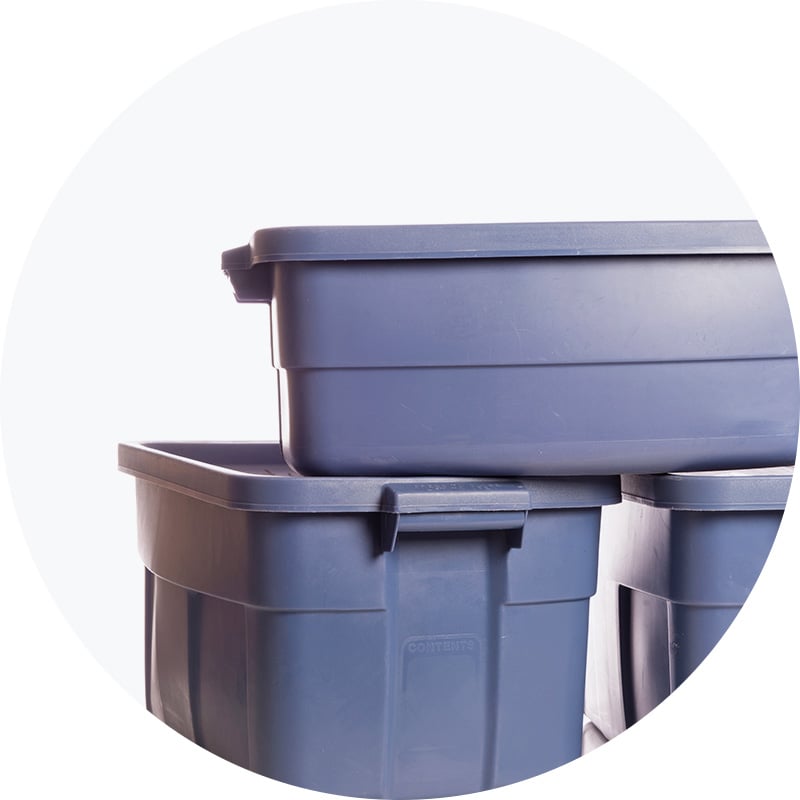
Plastic tubs are cosidered sustainable as they are reusable and have a long lifespan. They can be used in distribution systems where the customer returns the shipping box (like subscription or community schemes) or for internal transport/distribution and storage purposes. Although their initial cost is higher than that of cardboard boxes, this cost can be amortized over their lifespan. Especially if they are made from recycled or recycable plastic, they are considered sustainable as they can replace large numbers of cardboard boxes, thereby reducing the use of resources and energy.
4. Mushroom packaging
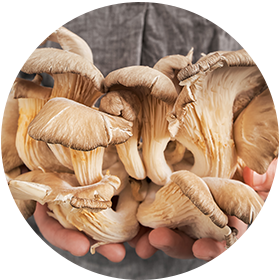
Protective cushioning can be made by growing mushroom’s root system (mycelium) into any shape and baking it to become inert. This material is afully-compostable replacement of unsustainable polystyrene packaging.
One major company pioneering its use for packaging their products is Ikea.
5. Compostable mailers
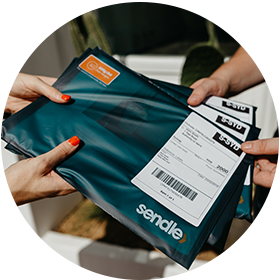
Compostable mailers are shipping pouches made either from bioplastics (renewable plant material like corn husks and straw) that can be composted, or are made of recycled paper products that can be composted commercially.
6. Biodegradable packing peanuts
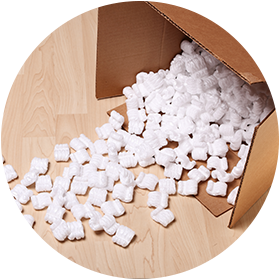
Although called packing peanuts, they are usually made out of non-biodegradable and non-recyclable polystyrene.
Sustainable, eco-friendly substitutes are made from plant sources, such as sorghum and corn starch. They are completely biodegradable and dissolvable with water.
Source: https://blog.sendle.com/sustainable-packaging-guide
7. Popcorn
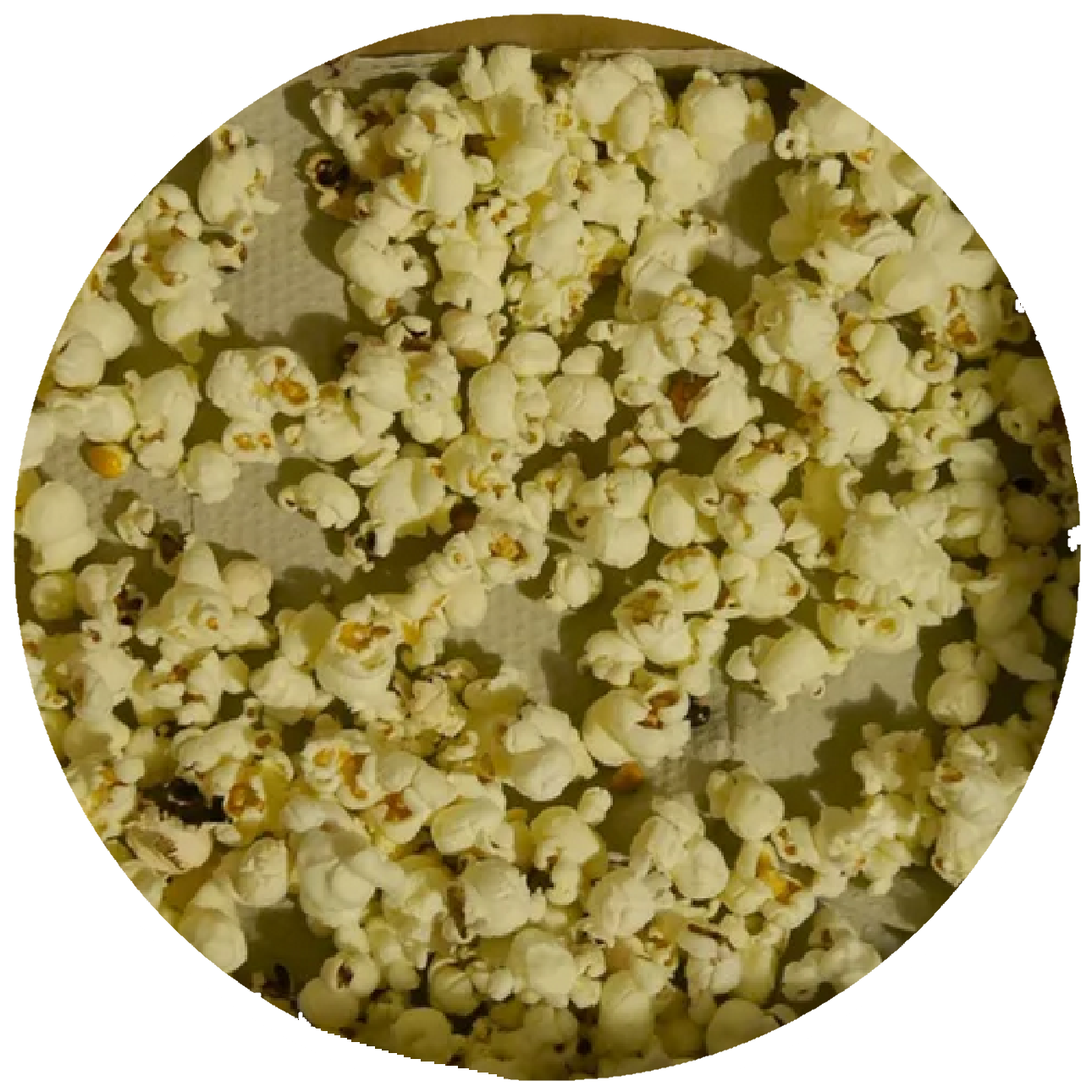
Air-popped corn provides a lightweight void fill that'll protects products in shipping boxes just as well as packing peanuts (see above). Popcorn packaging is fully biodegradable.
8. Hemp thermopadding
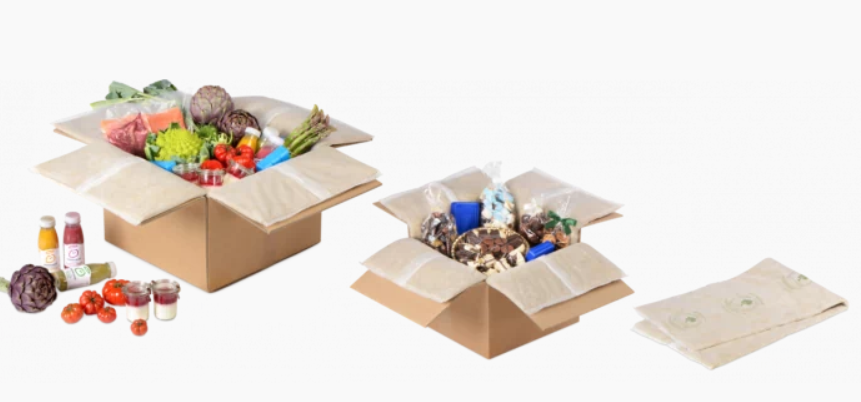
Image source: https://www.rausch-packaging.com/de/mecatherm-thermo-faltbox-hanf
Thermopadding made from hemp or other biodegradable fibre can be used to insulate cardboard boxes against heat to keep perishable or frozen foods cold during transport.
9. Biodegradable air cusions and bubblewrap
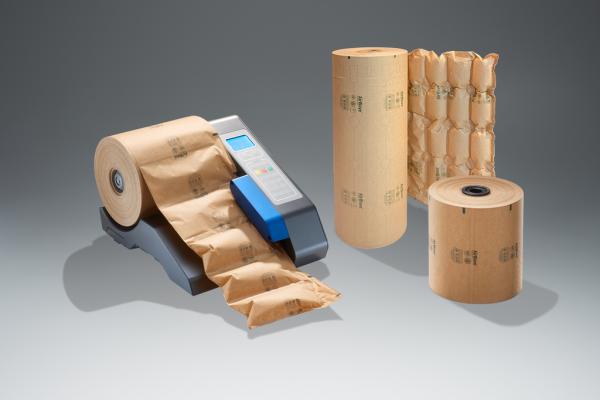
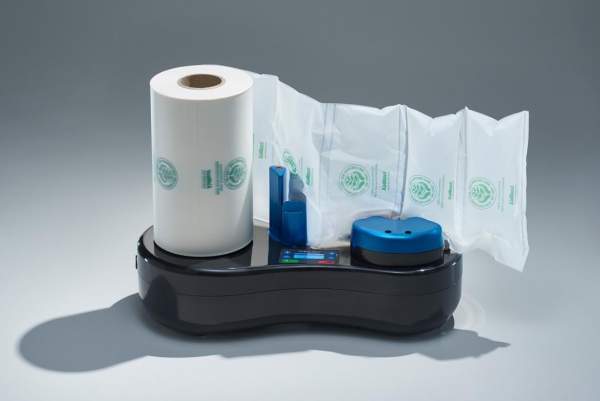
Air cushions and bubblewrap is made from foil filled with air pockets. The foil used can be made from sustainable material like paper or PLA, which are both biosourced as well as biodegradable. Another advantage that air cusions provide is their small size during transport and storage, as they can be blown up just before use, with small and inexpensive eqiupment as shown in the pictures above.