Basics of food labeling
2. Materials for food labeling
Labels come in a variety of shapes, sizes, materials and formats, which might be determined by the size, shape and material of your packaged food. For food products it has to be ensured that the label is made from food-contact material. A main factor might also be the quantity needed, as start-ups might opt tomprint their own labels or to use a online printer. In those cases the cost per label is higher, but it is possinble to produce small numbers, while professional printers offer lower cost labels, but at higher minimum quantities. In some case the label can be directly printed onto the packaging material.
Besides labels used for the front and back of a product, there are also options for labels that cover the top or bottom of the package. A variety of special labels also exists. Hover over the images to display the description.
Paper labels come in different finishings, matt, glossy, metallic, craft/brown paper, or so-called estate paper for elegant labels.
Elegant Estate label paper: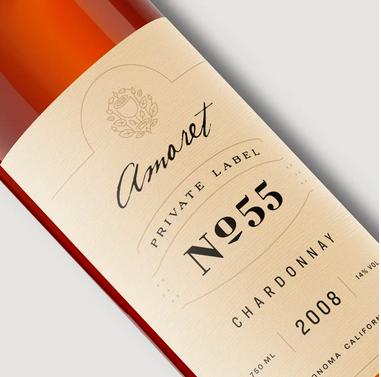
While paper labels are great for many uses and give products a natural look with texture and no shine, in some cases a label protected by a coating might be more appropriate. Two options are available to protect printed labels from exposure to moisture, tearing, abrasion, and light, as well as things like smudges and fingerprints: laminated or varnished labels. Varnishes and laminates also give the label a smoother, glossier finish, which can give the product a high quality appeal.
Varnish label coatings:
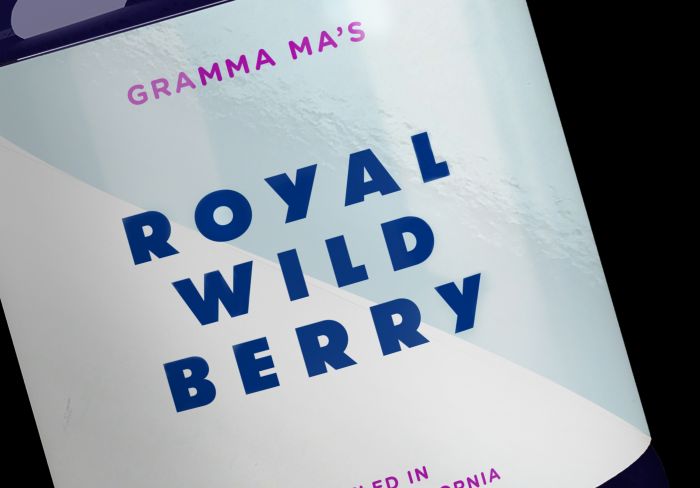
A varnish over a printed labels seals and protects the ink and the label agains abrasions. Varnish coating is available in glossy or matte finishes. However, they’re not as shiny as laminates and usually cost less than laminates, however, they don’t hold up as long.
Laminate label coatings:

Laminates or film labels offer the ultimate label protection against moisture,
abrasion & light, or contact with oils or chemicals. Laminates come in both glossy and matte finishes, as well as a
thermal transfer for secondary printing. Because of their durability and tear-resistance they are good options for odd-shaped containers.
Another option for odd-shaped packages or multi-packaging, are shrink sleeve labels.
Shrink sleeve labels: