click here to read chapter 4
| Site: | Plattform für Weiterbildung und Internationalisierung der Hochschule Weihenstephan-Triesdorf |
| Course: | Entrepreneurship in Food |
| Book: | click here to read chapter 4 |
| Printed by: | Gast |
| Date: | Sunday, 26 July 2026, 4:03 AM |
Description

1. Where do trends come from?
2. Introduction
The current generation has seen a rise in food-related health issues, like diabetis, cancer and allergies. Information about environmental or food-related health issues can be quickly and widely distributed through online channels. Healthy food since has become a major concern for consumers in many parts of the world.
Other
concerns that guide consumer decision making are the global threat of
climate change, which has raised consumer awareness about unnecessary
and non-compostable packaging, long transport ways, unsustainable
agricultural practices, etc. Organic and fair trade products have become
common commodities in many European supermarkets. Another "historic" perspective in this regard could be a movement of the 80ties, which saw the development of shopping centers outside of towns, that can only be reached by car. Since climate change has become an apparent issue, and again acceleratd through the covid 19 pandemic, more and more people have switched to using bicycles. Shopping centers far from town centers are not attractive for people without cars. At the same time the "death" of inner cities and smaller towns has become a real threat to retail businesses. City planners are very concerned about the impact of online shopping. Once these concern become mainstream knowledge they could start a new consumer trend of supporting small neighborhood businesses again.
The
recent rise in cost of living might just as well spurr the next
consumer trend as more and more people struggle to make ends meet. The
hype of delicatessen, fad diets and novel foods of the past few years
might die-off just as fast, once more and more consumers make their
purchase decisons based purely on price. The food processing industry is
already heavily researching ways to substitute expensive ingredients,
or those which have fluctuating availability, with cheaper alternatives.
The short animated video below gives a brief overview of some of the current trends, which the following chapters will cover in more detail.
3. Diets
In the past twenty to thirty years, the way people make food choices has changed a lot. People's focus has shifted from general needs like low-fat or low-sodium to more specific and complicated requirements like organic, non-GMO, paleo, keto, vegan and heart health. These changes have an effect on how people shop and how producers create and market their products. Data from the 2020 International Food Information Council Health Survey showed that 43% of Americans adopted a special diet, which was a 7% increase from 2018.
The general increase in access to information has also lead to increased awareness about the connection between food and health. Higly processed foods are frequently the topic of critical articles and health blogs like this one here (source: bbb.com/news/health). The influenceof this kind of information on consumer choices should be underestimated. On the other hand, health-conscious customer can also be a traget market!
Let's look at some of the most popular diets of the past decade in more detail.
3.1. Glutenfree
Gluten is a protein mostly found in wheat and barley. It plays an
important role in baked goods as it has binding properties that give
bread and cakes their characteristic elasticity and chewiness, making
them fluffy as well as preventing crumbling. However, since the 1940s
when it was found to cause coelic disease symptoms, it has become a
major issue for many consumers, even if they don't suffer from coeliac
disease. Since 2006 wheat has to be declared on food lables and in
2008 General Mills 2 marketed the first glutenfree product in the US.
Since then many product lines of gluten-free baked goods and brands have
appeared in the market, and many restaurants, besides declaring gluten
as an ingredient in their menues, also offer gluten-free alternatives.
The global market for gluten-free products is predicted to be worth over
8 billion USD by 2025. For African farmers the glutenfree market offers opportunities to export flour substitutes like cassava, maize and rice flour, or even more exotic flours like ensete and cocoyams flours.

Image source: https://www.beyondceliac.org/gluten-free-diet/baking/
3.2. Keto
The Keto diet is a diet for weightloss that focuses on avoiding the intake of carbohydrates to a point where the body goes into a state of ketosis. Ketosis is a metabolic state in which the body burns fat for energy instead of glucose from carbohydrates. This occurs when the body does not have enough glucose for energy, so it turns to burning stored fat. It is said to be beneficial for weight loss, improved energy levels, and other health benefits. Unlike other low-carb diets Keto diet does not promote a high intake of protein-rich foods.
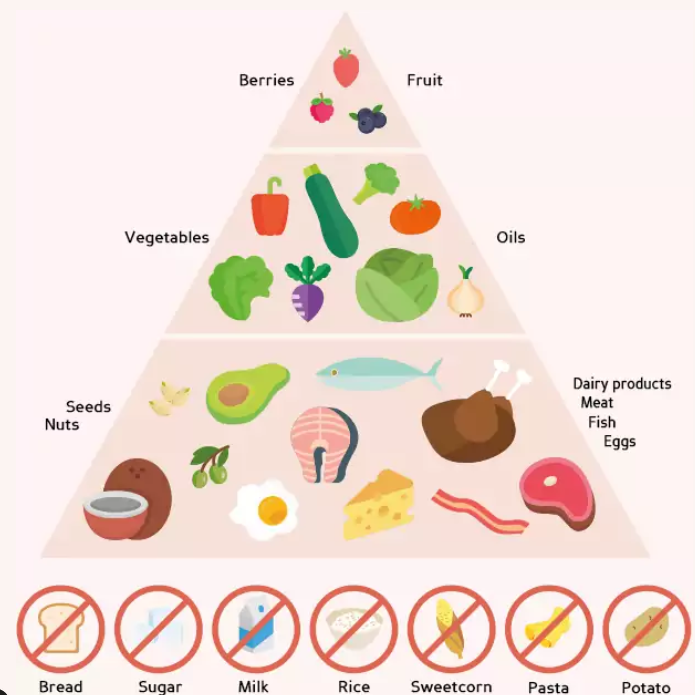
Image source: https://www.biocyte.com/en/content/185-keto-diethttps://www.biocyte.com/en/content/185-keto-diet
3.3. High-protein
Other than in the keto diet where carbohydrates are replaced by high-fat foods, do other diets that avoid carbohydrates replace them in favour of protein sources, like meat and legumes. This kind of diet has been popular among body builders and was adopted by many people who regularly work out in gyms. The original protein sources, like whey powder and egg white powder are more and more replaced by other protein sources from legumes (lentils, peas, chickpeas), nuts (especially for energy bars) and hemp seed. This has opened new markets for producers of these protein sources.
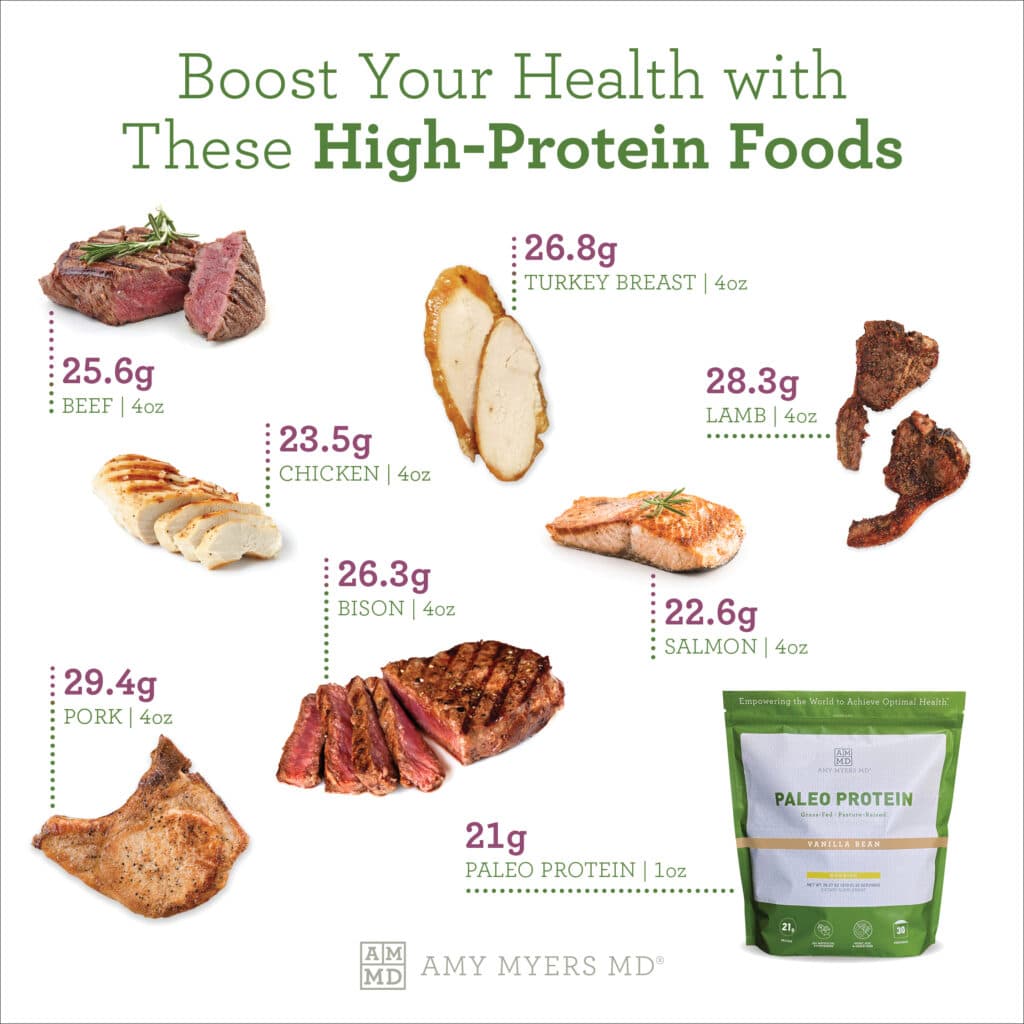
Image Source: https://www.amymyersmd.com/article/high-protein
3.4. low-fat, sugar free
As low-fat and sugar free diets have become more and more popular as diets for weight loss or to avoid obesity related health problems the market has followed suit and provides a wide range of products to cater for this customer segment.
It is recommended to reduce the intake of saturated fats, which are mostly from animal sources like fatty meat, lard, milk, cream, butter, or cheese. Instead, the food industry offers lean meat options and low-fat milkproducts. To achieve a similar mouthfeel as in full-fat products emulsifiers, thickeners, gums, stabilizers, and texturizers such as xanthan gum and guar gum are added.
At the same time, the intake of unsaturated fats, which are labeled as healthy, is becoming more and more popular. Foods, high in these fats that provide omega-3 fatty acids, have become common in many diets and can now also be found in many supermarkets. These include: olive oil, avocados, salmon, nuts and seeds, like flaxseed and walnuts as well as soy products.
Many people who are trying to avoid high-caloric intakes would still like to eat sweet snacks, like fruit yoghurt, cookies or cakes, breakfast cereals, jams, or beverages. Sugar-free versions of these foods can be sweetened with synthetic sweeteners like:
- Sucralose: A synthetic sweetener that is 600 times sweeter than sugar
- Aspartame: A synthetic sweetener that is 200 times sweeter than sugar (contains minimal calories)
- Acesulfame Potassium: A synthetic sweetener that is 200 times sweeter than sugar
- Neotame: A synthetic sweetener that is 8,000 times sweeter than sugar
3.5. Vegetarian & Vegan
Vegetarianism is a diet which excludes meat, fish, and poultry. It includes foods such as fruits, vegetables, grains, nuts, and legumes. Vegetarianism is not a new diet, as it is part of Hindu and Buddhist religions. However, the modern vegetarian movement that also encompasses non-religuious people accross the globe, originated in 19th century Europe and gained traction with the rise of animal welfare and environmental movements.
Ovo-lacto vegetarians are vegetarians who consume both eggs and dairy products. This type of vegetarianism is the most common form of vegetarianism and allows for a wider variety of foods. Some vegetarians also consume fish, in addition to plant-based foods. This type of vegetarianism is less restrictive than ovo-lacto vegetarianism and allows for more dietary flexibility.
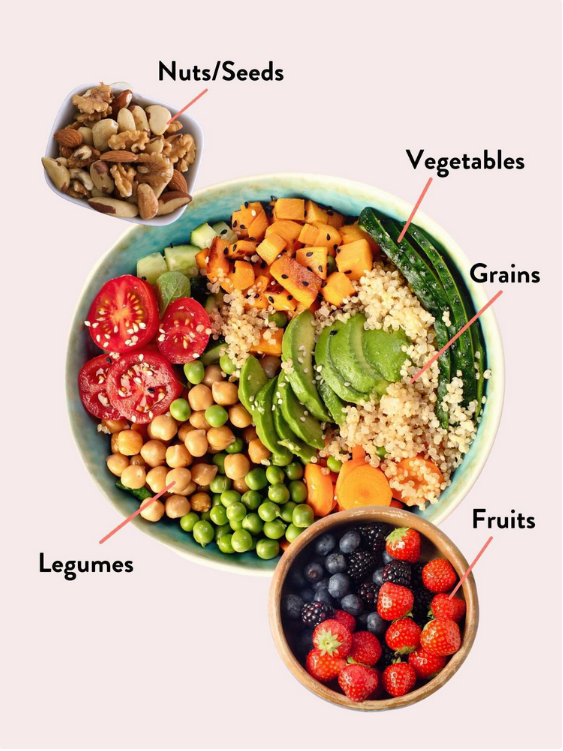
3.6. free off allergens
Food allergies are more and more common among large populations accross the globe. Mainstream allergens like gluten, lactose, nuts, sellerie, mustard, shellfish, etc. have to be mentioned on food lables to avoid health hazards. Many restaurants nowadays also declare common allergens on their menues.
Food products that cater to this customer segment also become more and more popular.
Lactose-free milk products are largely replaced now by those based on plant milks, like soy milk, oat milk, almond milk, coconut milk, etc. as these cater vor the vegetarian market as well.
Glutenfree was mentioned in a separate chapter above (2.1) and remains to mention that many brands started to sell exclusively glutenfree products, while others offer glutenfree options of their regular products.
Egg-free is another common dietary requirement of those with allergies as well as vegans. Eggless cakes are commonly found in Indian communities.
A new trend that is emerging, that hasn't been catered for on a larger scale though, is low-histamine food. Growing numbers of people seem to be suffering from inflammation symptoms (rheumatism, arthrosis, auto-imune-diseases, unspecific pains, etc.), which are worsened on high histamine diets. Foods high in histamine include nightshades (tomatoes, potatoes, etc.), fermented foods such as aged cheeses, kombucha, sauerkraut, and pickles, cured meats such as salami and bacon, alcoholic beverages and vinegar-based foods, chocolate, citrus fruits, nuts and seeds, as well as smoked fish.
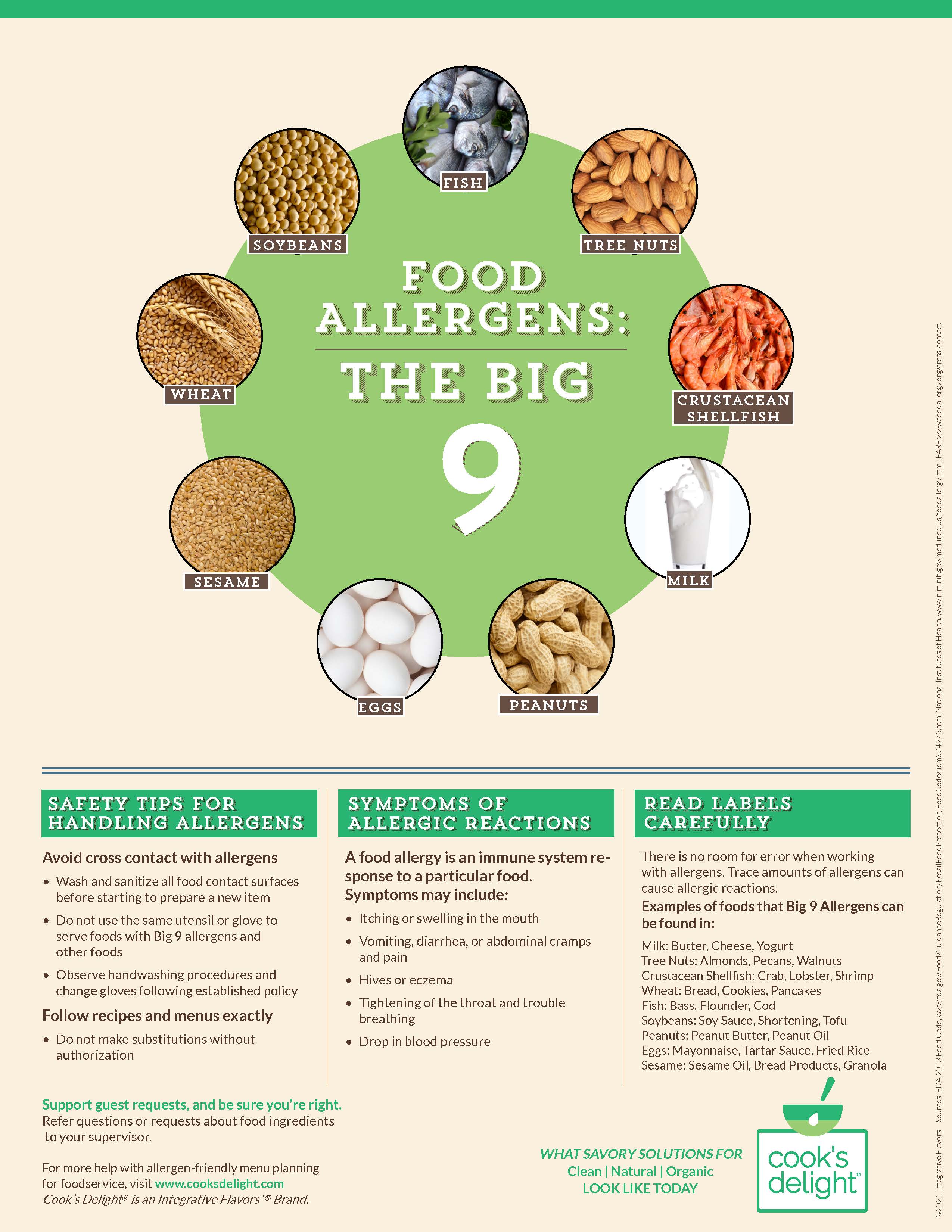
Image source: https://www.cooksdelight.com/blog/big-9-allergens-updating-your-allergen-plan-to-comply-with-faster-act/
4. Sustainability
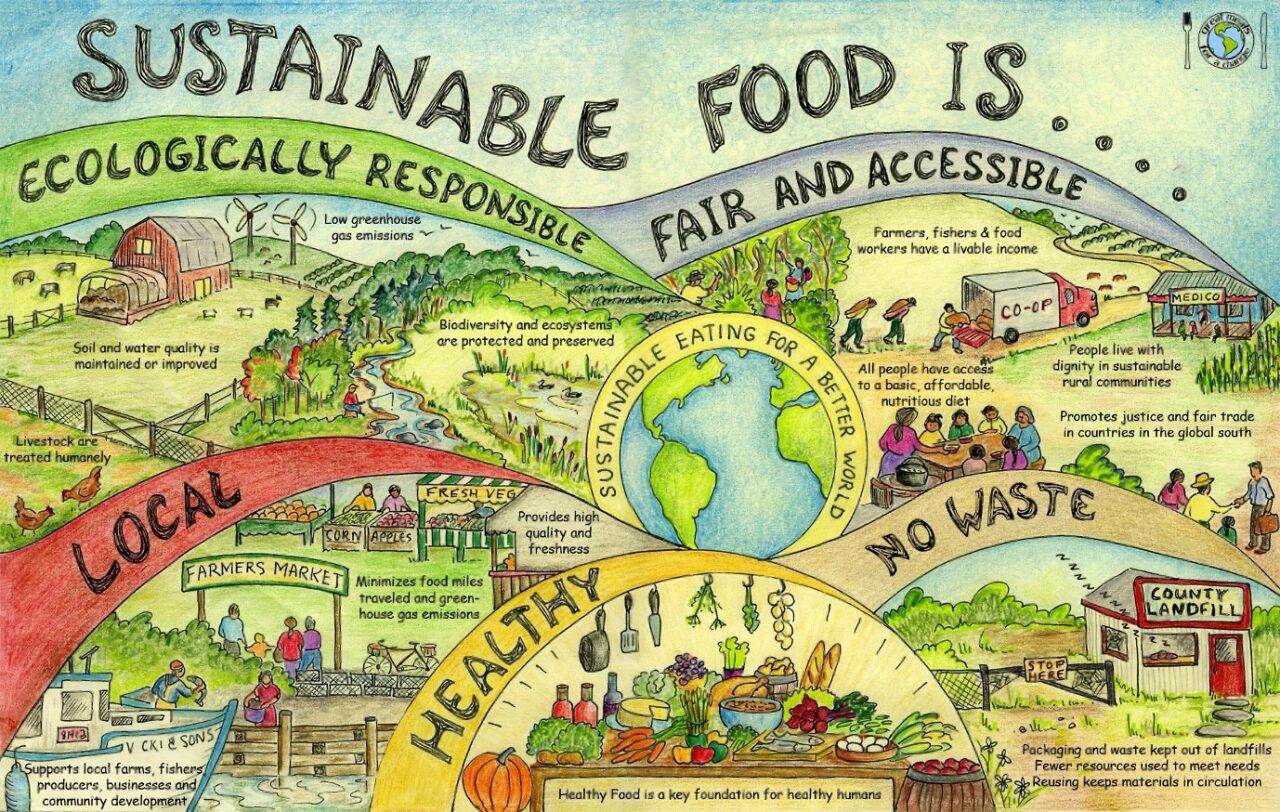
People around the globe are increasingly concerned about the impacts of industrial agriculture with its use of pesticides and synthetic fertilizers, issues around animal welfare, the waste of water, food, and energy. Non-recycable plastic packaging has also become a major concern since microplastic particles have even been found in the food chain. Additionally, people have become more aware of their carbon footprint as the impacts of climate change are becoming more and more threatening.
Customers are recently more supportive of regenerative agriculture and willing to pay slightly higher prices for organic or fair traded products. They are looking for better transparency, traceability, and accountability from food producers. Locally or regionally produced products can be marketed as such.
4.1. Local & Regional
"Carbon footprint" has become a common phrase in recent years. Companies try to reduce their carbon footprint by adopting production methods that release less carbon dioxide, methane, and other greenhouse gases, or consume fewer resources. Long transport routes including ships or airplanes that burn fossile fuels are therefore undesirable. Consumers have become more and more concious about these issues and prefer to buy products that are produced locally or at least within the region. While buying blueberries from Chile in Germany in December was trendy a while back, it has now become a symbol of environmental thoughtlessness.
This trend has opened new marketing ways for producers who sell their produce in local farmers' markets, through vegetable box subscription schemes, or on-farm shops. Pickled cucumbers from the region e.g. can also be marketed as a local speciality or traditional recipe.
Another offspring of this trend is the "homemade" or "grandmother's recipe" movement. With many of the younger generation no longer being able to cook a meal from scratch, the desire for "true" and traditional taste has become stronger again. This is the opposite trend to the fast & convenient preferences of the same generation.
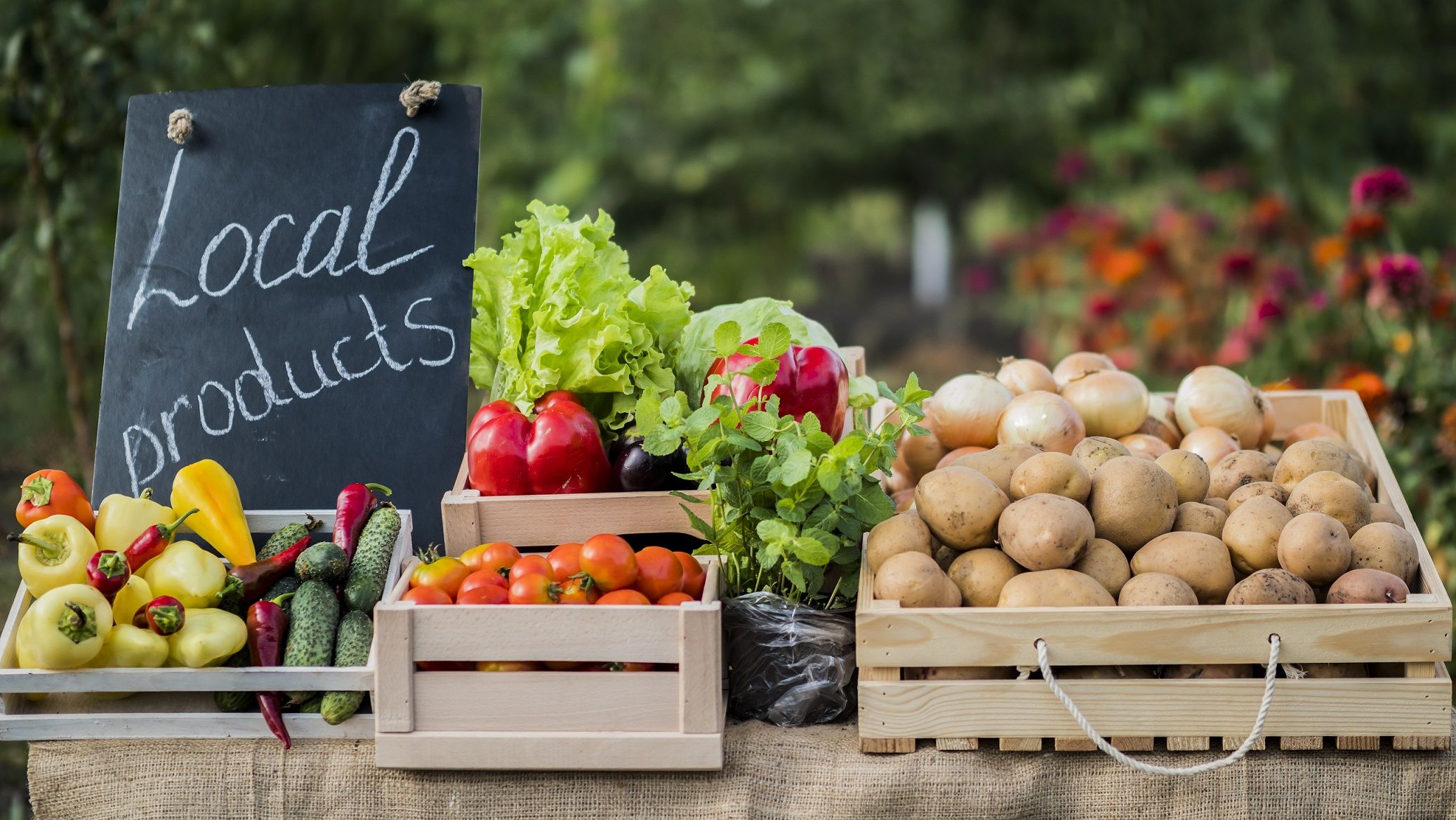
Image source: https://projects2014-2020.interregeurope.eu/fridge/news/news-article/9013/regional-food-labels-in-fridge-regions-part-2/
4.2. Organic & Fair trade
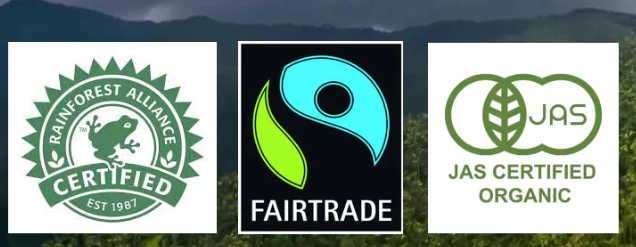
As consumers are becoming more aware of the environmental and social impact of their food choices they are willing to pay premium prices for food that is grown or produced in an ethical and sustainable way. The logos that indicate certified organic or fair trade, like "rainforest alliance" or "bioland" have become household names. The global organic food market share was valued at USD 94.1 billion in 2019. The market is projected to grow at a compound annual growth rate of 11.6% until 2027.
Unfair or unethical production methods in far-off places can no longer be concealed, as news spread fast and far these days. Consumers pay attention to and even demand fair, healthy and equitable working conditions for plantation workers, and hold in particular large coorporations accountable. In this way unfair pricing due to exploitation of workers or the environment can hopefully be avoided.
This opens market opportunities for smaller producers and coops, who can brand themselves as co-owned, ecological, and artisan, and still ask for fair prices for their products.
Find the US organic standard here: https://www.ecfr.gov/current/title-7/subtitle-B/chapter-I/subchapter-M/part-205#205.605
4.3. Transparency
Transparency allows for better tracking of food products from farm to table, enabling companies to identify and address potential problems as quickly as possible. Therefore, transparency is critical for ensuring food safety, quality, and consistency for consumers. As such it helps food companies build trust with customers and reassures customers that the food they buy is sustainably produced and ethically sourced.
With consumers being more and more informed about critical issues along the food value chain and scandals being widely made public through the internet, producers are more and more under pressure to ensure transparency and to cater to consumers that make informed purchase decisions.
On the other hand, this trend can also benefit smaller producers who are marketing themselves as trustworthy and transparent.
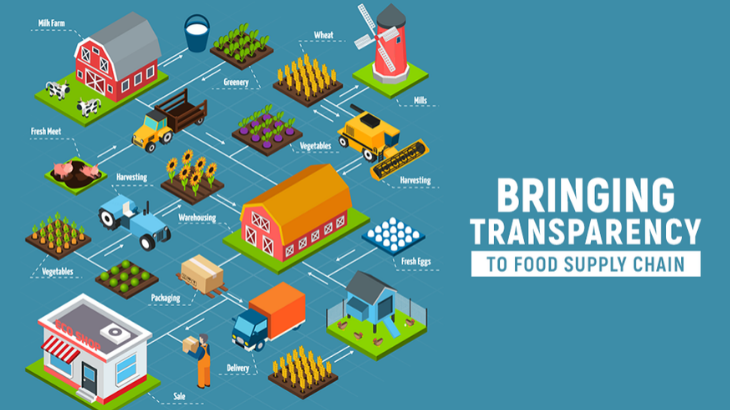
Image source: https://www.vestian.com/blog/blockchain-bringing-accountability-transparency-food-supply-chain/https://www.vestian.com/blog/blockchain-bringing-accountability-transparency-food-supply-chain/
5. Expanding the horizon
In a globally connected world nothing seems impossible. People travel extensively and discover new cultures and new cuisines. The populations of most towns in Europe are multicultural. Many cities in Africa have considerable customer segments from India, China and Europe. People come with their particular food preferences and like to buy what they know from home. Even those who have not travelled have access to stories and pictures of different foods from around the world. Social media is particularly good at making other things look desirable. Thai and Indian curries, Mexican fajitas, North African tagine, falafel and harissa are no longer strange tastes in European kitchens. The rise of Japanese webtoons and Korean dramas has lead to an increased interest in Asian cooking and eating styles.
With this growing interest speciality shops have popped up in many cities and supermarkets have an increasing number of shelves dedicated to different ethnic cuisines. More and more restaurants also market themselves as dedicated to a particular ethnic cuisine.
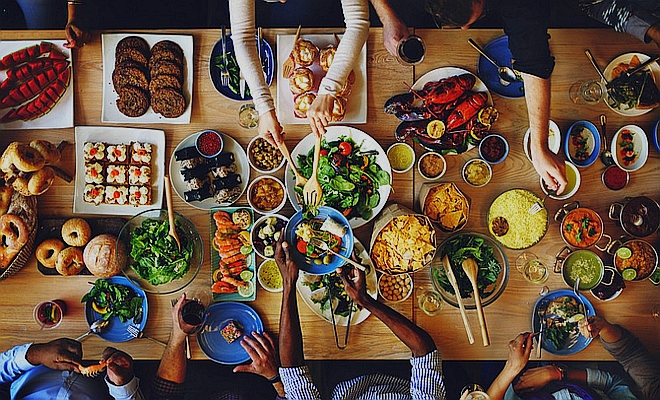
Image source: https://nantucketatheneum.org/broadening-your-culinary-horizons-atoz-world-food/
5.1. Premium Foods
A few years back, in an effort to improve their image, discounter chains started to introduce premium foods to their product range. After some successful trials during the festive seasons a variety of goat cheeses, tonka beans, smoked salmon, shrimps, DOC salami, ham and olive oil, mangoes, avocados, limes, deer steak, duck breast, and many more delicatessen are now widely available in most discounters. Larger groups of the population are now familiar with these premium foods, which has increased the market for these specialities tremendously.
Another range of premium foods are the so-called superfoods, which are regularly hyped on social media. Products like quinoa, chia, spirulina, turmeric, acai and goji berries, and many more are marketed for their alleged health benefits and have become common household names for a growing customer segment.
These expanding markets offer opportunities for producers who formerly served very small and exclusive niche markets.
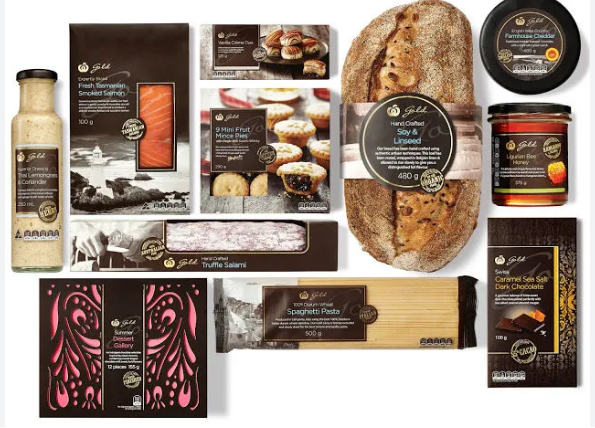
Image source: https://www.trendhunter.com/slideshow/premium-food-packaging
5.2. Novel Food
Novel food is defined as food that has not been consumed to a significant degree by humans in the EU before May 1997. This includes food produced using new technologies, such as gene technology, nanotechnology, or food derived from new sources, such as plants or microorganisms. Novel food must be approved by the European Commission before it can be sold in the EU.
- Plant-based meat alternatives
- Algae-based food products
- Insect-based food products
- Seafood substitutes
- Biofortified grains
- Nutritious food products made from algae or fungi
- Genetically modified crops
- Nanotechnology-based food productsis
- 3D printed food
6. Convenience
The last decade has seen an amazing rise of convenience foods worldwide. From frozen vegetables it has expanded to ready to cook and/or ready to eat fresh and snack/baby vegetables. From canned fruits it has moved to frozen fruits for smoothies and dried snack fruits. Microwave meals, coffee to go, salads, sandwiches, fajita rolls, doner kebab, pizzas and burgers in every shape and form have become common place.
The younger generations (millenials and GenZ) have busy lifestyles and appreciate fast and casual meal solutions to save time on shopping, meal prep and cleaning after meals. On the other hand do these generation pay more attention to healthier food options and are driving the development of fresh and nutrious, attractive snacks and meals for immediate consumption.
The covid-19 pandemic has accelerated this development with many restaurants switching to out of house sales and delivery services. As a result many new delivery services (many operated by bikes) as well as online food ordering apps have cropped up.
The global convenience food market is growing at a rapid pace, offering more and more options that are both healthy and delicious. This new development of increased demand for convenience foods offers many opportunities as foods/meals can be prepped beforehand (leaner staff needs) and many new types of foods and ingredients can be included in new snack and meal creations.
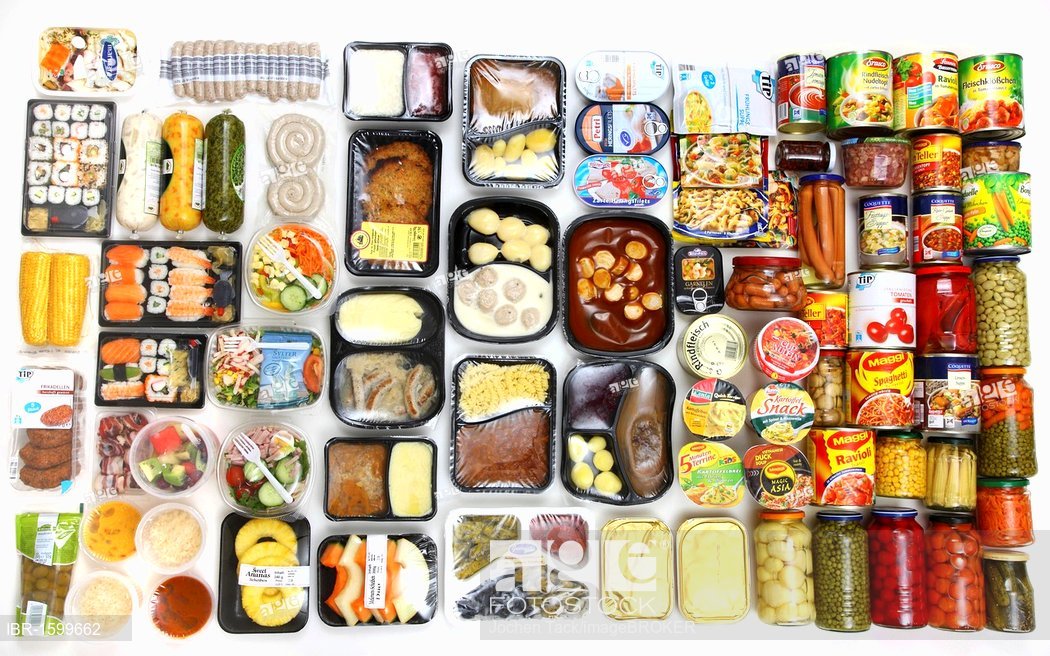
Image source: https://dpmiindia.com/blog/2018/08/27/convenience-food-not-so-convenient-for-your-health/https://dpmiindia.com/blog/2018/08/27/convenience-food-not-so-convenient-for-your-health/
6.1. Online shopping
Since the outbreak of covid-19, the online food market has experienced tremendous growth. During the period from 2020 - 2021 with many people being confined to their homes and reliant on deliveries, online shopping and delivery services became increasingly popular. It has since become the most common and convenient way of shopping for many people, especially the younger generations. Online shopping has allowed people to explore a wider variety of food products and find the best deals. This had a major impact on the food market, with many companies now offering more options and delivery services.
This development allows consumers to be more flexible in their shopping (ordering after hours, from distant locations and so on) and has therefore also increased the circle of customers (outreach) for many producers.

Image source: https://zimblecode.com/how-to-start-an-online-food-business-best-ideas-for-selling-food-online/
6.2. Value for money
With consumers being able to compare prices online and to choose where to buy from through online orders and deliveries, price has become an even more important deal-breaker than before. The need to keep production cost low drives many new developments in the food industry, like the research for cheaper substitutes for expensive or scarce ingredients, or those, with fluctutating availability.
The covid-19 pandemic and the Ukrain war have driven up the cost of living considerably in almost every country worldwide with inflation rates higher than interest rates, which means that the purchasing power of money is decreasing faster than it is being earned, and savings held in cash becoming worth less over time. Especially in low-income countries and low-income households consumers painfully feel the impact of this development and are forced to make very careful purchase decisions. Even prices at discounters have increased and people are more and more looking for special offers to make ends meet. At the same time production costs have gone up drastically for many producers, driving prices rather up than down. This development is likely to impact decision making in the food industry in the coming years and should be taken into account when planning a new business.

Image source: https://www.burpple.com/list/488205/19-value-for-money-eats-in-singapore