How to make a statement
| Site: | Plattform für Weiterbildung und Internationalisierung der Hochschule Weihenstephan-Triesdorf |
| Course: | Entrepreneurship in Food |
| Book: | How to make a statement |
| Printed by: | Gast |
| Date: | Sunday, 26 July 2026, 4:03 AM |
Description

1. Brand Positioning
A successful positioning statement can provide a clear and
concise framework for a brand’s identity, guiding all marketing and communication
efforts. Explore the different steps in the following chapters.
To successfully position your brand you need to go back to the statements you made in your business plan.
What are your:
- Target Audience/Market Segment?
-
Unique Selling Proposition/Differentiation (what sets you appart fom your competitors)?
Once you are clear about these you can write your Mission and Vision statements that should be at the core of your positioning statement.
1.1. Mission statement
A mission statement briefly states the companies -
- Purpose/Objectives: What does your product or service do, or offer and for whom?
- Core Values: What does your company stand for? By which principles are you guided? How do these values resonate with your customers and how do they connect to your offer?
- Goal(s): What do you want to achieve or accomplish for your customers?
1.2. Vision Statement
Vision statements state what a company's overarching vision for the future is (not just for the company's future but for the world, or at least the part of the world they act in).
The same elements from the mission statement can be included in a vision
statement, but they'll be connected to a future goal.
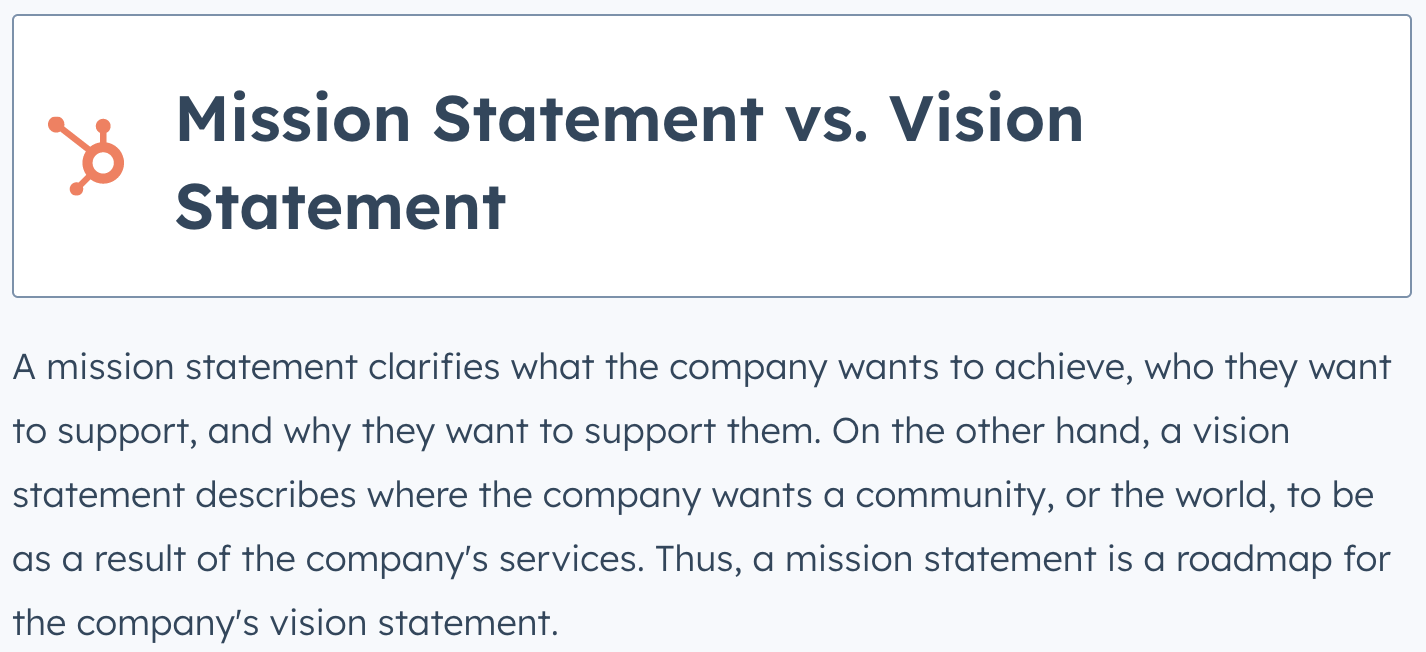
https://blog.hubspot.com/marketing/inspiring-company-mission-statements
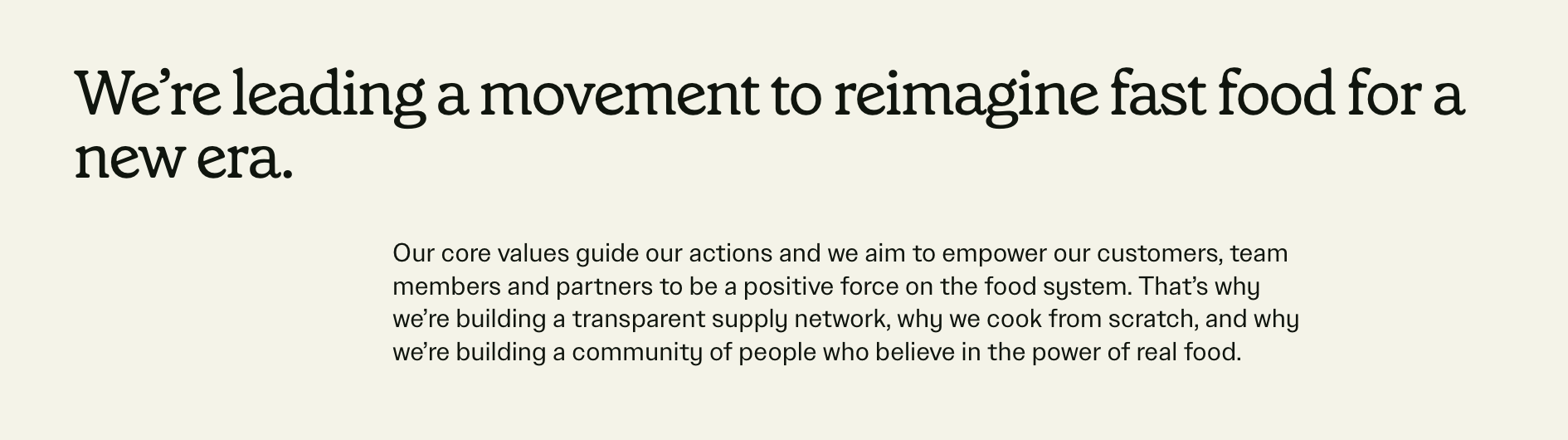
1.3. Example: Sweet Green's statements
Source: https://www.sweetgreen.com/mission

1.4. Target Audience/Market Segment
Your positioning statement needs to be addressed to your target market.
- What catches their interest?
- What do they value?
- What are they looking for in terms of product features/services?
- Which 'language' do they speak?
- How do they see you differently from your competitors?
- Where and how can you best reach your target audience?
1.5. Unique Selling Proposition/Differentiation
Your Proposition statement needs to communicate clearly not only what your value proposition to your customers is, but also what sets you appart from everybody else.
Can you come up with a catch phrase that will get stuck in people's mind? One that people will remember above every other statement in the market? That is the statement you should repeat in every conversation about your brand.
1.6. Positioning Statement
In the final step craft a short, memorable statement that combines the benefit you are offering and key points in a way that resonates with your target audience. It doesn't have to be a copy of your Mission and Vision statements, but translate those into a phrase that your audience intuitively understands.
One example of a successful proposition statement used to promote a brand is Nike's "Just Do It" slogan. This slogan has become synonymous with the Nike brand and has been used to promote the brand for over 30 years. It embodies the brand's message of self-empowerment and encourages people to pursue their goals and dreams with determination and courage.
Before you move on to branding and marketing test your positioning statement and see if it really resonates with your customers.
2. Steps to Building a Brand
Once you are clear about your positioning statement it is time to choose a brand name and to create a logo and visual identity.
3. Choosing a brand name
1. Keep it short and simple.
2. Make sure it’s easy to pronounce and spell. Make also sure it doesn't mean something rediculous or negative in another language. (My children e.g. find it hillarious that a clothing discounter in Germany is called 'tako', which in Swahili means 'buttocks'.
3. Use words that are relevant to your product or service.
4. Make sure it’s unique and memorable.
5. Check availability (do a simple google search and see how many companies with the same name come up. For legal availability of a name you casn check the global brand name database provided by WIPO:
https://www.wipo.int/reference/en/branddb/
Once you register your company with the local authorities they will also check for the brand name's availability and advise you accordingly.
3.1. Great Examples
Great examples of brands that have become household names are those that stand for an entire type of product. No matter which brand of scotch tape a customer is actually using, s:he can refer to it by saying: "Please pass me the cello tape" or "Tesafilm" in a German context. Another example would be "cleanex" or "Tempo" which stand for any type of tissue paper. Another such example is Coca-cola. Even if you are buying a Pepsi cola, you are still drinking a "coke".
3.2. Creating a Logo
Design a logo for your business that represents your businesses' image.
If money is not an issue engage a professional designer to develop your logo. You can also use this link for logo design www.tailorbrands.com/newlogo, or use any other free online logo
design website of your choice.
Choose a simple and memorable design and make sure it reflects your brand's values and key message.
Use colors that are appropriate for the brand and that meet your customers' taste.
Make sure the logo is scalable and looks good in different sizes. Consider also the impact of the logo on all types of media (phone, print, letterhead, etc.).
Before you go into largescale printing of your office stationary, test the logo with your target audience and see how it resonates with them.
3.3. Great Examples
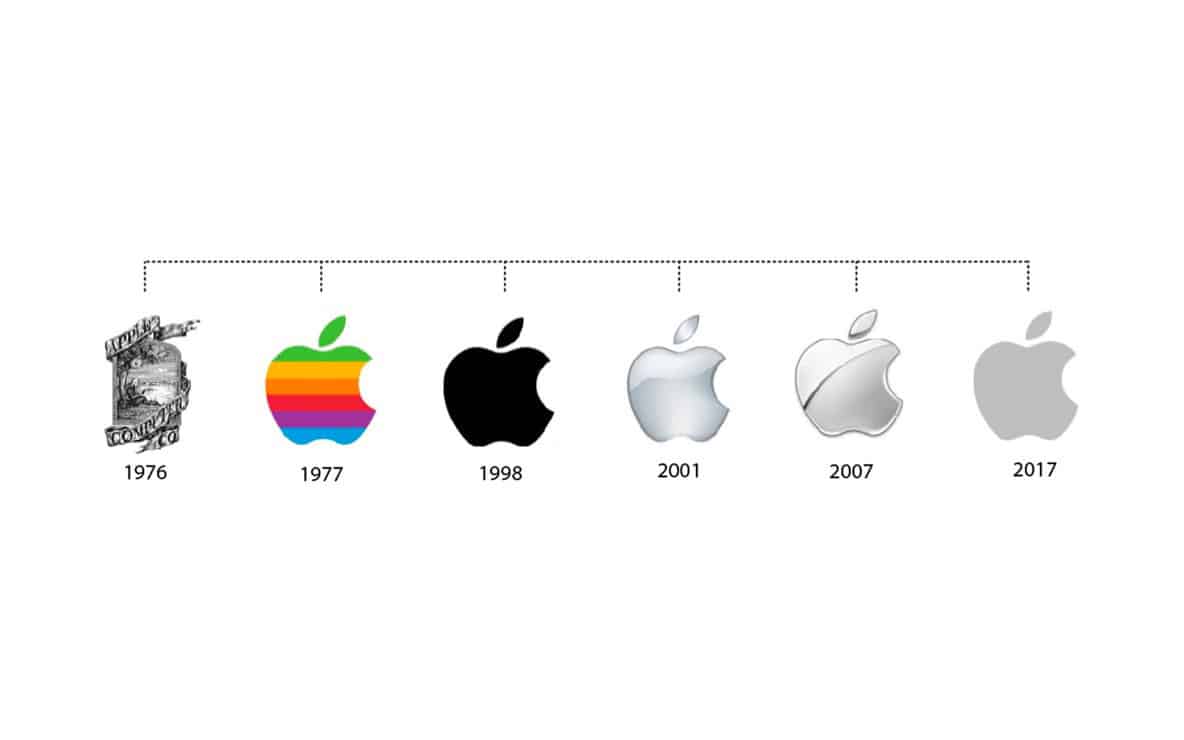
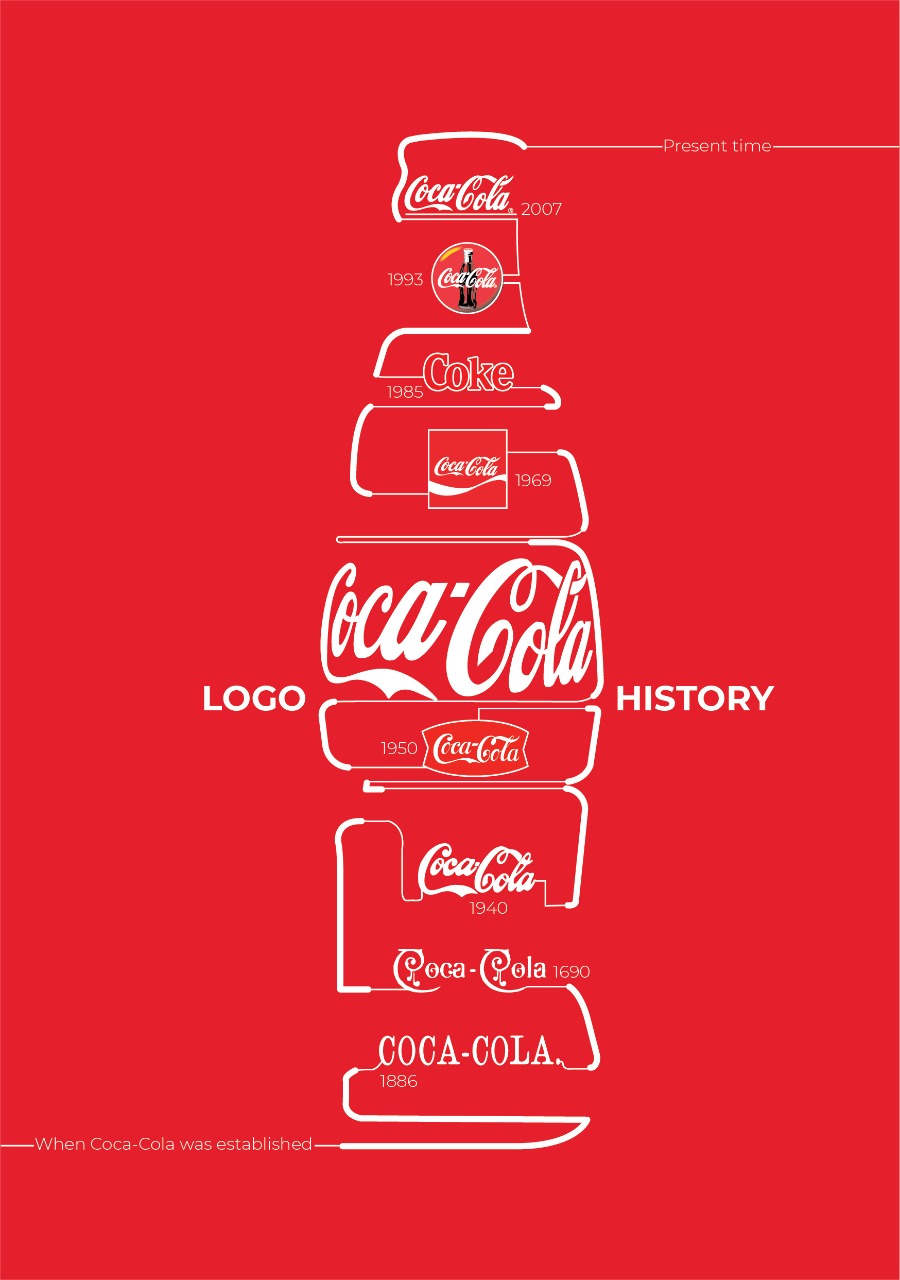
The best known example of excellent logo and product design are propably apple and Coca-cola with its iconic bottle shape and red and white logo. Both belong to the most reckognized brands in the world. Coca-cola even managed to brand Father Christmas in its colours and has forever changed our idea of Santa Claus.
4. Intellectual Property rights (IP)
In some cases, e.g. when you are developing a new technology, it might be worthwhile to register your brand with a trademark (copyright, etc. )and to safe your intellectual property rights (patents, etc.).
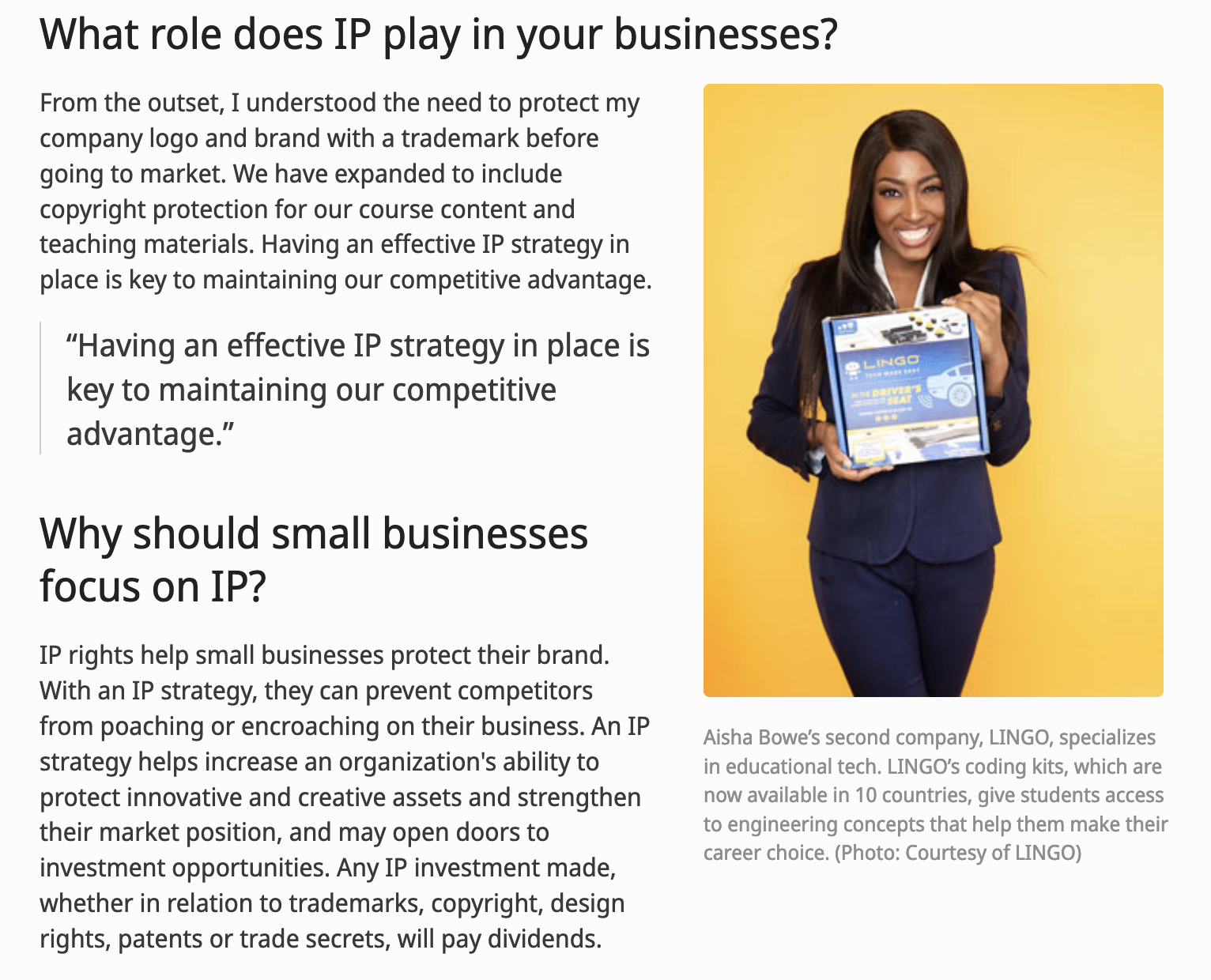
If you want to know more about the rocket scientist and entrepreneur Aisha Bowe you can find this snippet here. https://www.wipo.int/wipo_magazine_digital/en/2023/article_0011.html
5. Types of Branding Strategies
Branding strategies are used to create and promote a business’s identity in the market and establish it as a reliable and valuable option for customers. They are used to differentiate a business from its competitors, create customer loyalty, and increase brand awareness.
In general, branding strategies follow these three approaches:
- Awareness
- Differentiation
- Consistency
5.1. Awareness
This strategy aims at increasing the visibility of a brand and making it more recognizable. This strategy is especially useful for new or emerging businesses, as it helps to create an awareness of the brand and its offerings in the marketplace. This is typically done through advertising, publicity, and other promotional activities.

An example of a company very successfully using the awareness branding strategy was 'Burger King'. Through their “Have it Your Way” campaign they were able to increase the visibility of their brand and make it more recognizable. But the same was true for McDonald's use of "Ronald McDonald". The meme above only works as a joke because people reckognize both.
5.2. Differentiation
This strategy focuses on creating a unique identity for the brand and differentiating it from competitors. By making a brand stand out from its competitors, it can gain an advantage and help customers to distinguish it from other similar products or services. This can be done through product features, design, packaging, marketing messages, and customer service experience.
'Apple' is a great example of a company that used a differentiation branding strategy. By creating unique features and designs for their products, they were able to stand out from the competition and build a strong brand identity. 'Samsung' on the other hand, has managed to use apple's brand position to establish itself as an alternative of the same caliber.
5.3. Consistency
This strategy focuses on maintaining consistency in all aspects of the brand. This includes the visual elements (logo, colors, fonts, etc.), the messaging (advertising, marketing, public relations, etc.), and the overall customer experience. Besides helping customers recognize the brand more easily, a consistent branding strategy also gives the message of being trustworthy, stable and traditional.
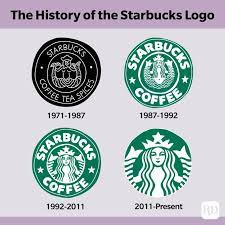
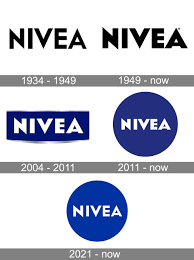
Examples of this branding strategy are 'Starbucks' and 'Nivea' who have consistently kept their logos, colours and fonts pretty much the same for the last century.
6. Brand Promotion
To promote your brand you have several options. The usual channels are:
- Traditional and digital marketing
- Advertising
- Public relations
- Events and special offers
6.1. Traditional and Digital Marketing
This type of marketing uses traditional mediums such as visuals (banners, billboards, posters, etc.), print (fliers, brochures, branded give-away calenders, etc.), broadcasting (providing information during TV or radio shows, etc.), cold calls (phone calls, house visits, direct mail or Email, etc.). Nowadays traditional marketing is often coupled with digital marketing tools, such as search engine optimization, use of hashtags or QR codes, content marketing, and social media campaigns.
The advantage of this type of promotion is its broad reach, which is also its disadvantage, as it not very targeted.
6.2. Advertising
Advertising involves creating and placing ads in mediums such as television, radio, print, and digital media. The advantages of this type of promotion are that it can be targeted to specific audiences, it can be cost-effective, and it can be used in combination with other promotional activities. Its disadvantage is that advertising is usually a one-time event that can easily miss its audience.
6.3. Public relations
Public relations is the planned effort to maintain a favourable public image. It usually involves using tactics such as media relations, press releases, speeches, and attending events to build relationships with target audiences. The advantages of this type of promotion are that it can be cost-effective, it can be very targeted, drive a certain message, and it can be used to build relationships with the public.
An example of this type of promotion would be a press conference announcing a
new product launch to the media and key influencers.
6.4. Events and Special Offers
This type of brand promotion uses activities such as trade shows, product demos, customer loyalty programs, and promotional giveaways to generate brand awareness and build relationships with customers. The advantages of this type of promotion are that it can be tailored to specific audiences and can create a memorable experience. It can also be used as a tool to drive sales (special offer at discounted prices, e.g.).
An example of this type of promotion would be a trade show exhibiting the company’s products and offering a free gift with purchase.