Methods of food preservation
| Site: | Plattform für Weiterbildung und Internationalisierung der Hochschule Weihenstephan-Triesdorf |
| Course: | Entrepreneurship in Food |
| Book: | Methods of food preservation |
| Printed by: | Gast |
| Date: | Sunday, 26 July 2026, 4:55 AM |
Description

1. Introduction
All methods of food preservation use the principle of modifying the atmosphere in such a way that
a) microbes are either removed or killed, or can no longer multiply and spoil the food,
b) enzyme activity is controlled, and
c) oxidation and UV-light damage is prevented.
These methods are generally based on temperature control, pH control, moisture control, removal of air, or the use of chemical additives.
2. Refrigeration, freezing and freeze drying
This involves cooling food to low temperatures to slow down enzyme activity as well as the growth of microorganisms.
Refrigeration is cooling the environment artificially to bring the temperature below ambient temperature, usually ranging from 4 to 10°C. Foods commonly stored using cooling methods are usually highly perishable products, like meat, dairy, and fish, thus increasing their shelf-life.
Freezing means cooling food to temperatures of -18°C for longer storage periods. At temperatures below 0°C the water inside the food forms ice crystals, which means some foods cannot be frozen, because the melting ice will either cause structural breakdown of the food (like lettuce, cucumbers, soft herbs, dairy products, etc.) or be soaked up, leaving the food soogy, like crumb based cakes, etc.
Food type |
Recommended freezing time frames (if your freezer runs at -18oC) |
|---|---|
|
Uncooked meat (roasts, steaks, chops etc) |
4-12 months |
|
Uncooked mince meat |
3-4 months |
|
Cooked meat |
2-3 months |
|
Cured meats (ham & bacon ) |
1-2 months |
|
Uncooked poultry (chicken, turkey etc) |
9-12 months |
|
Cooked poultry |
4 months |
|
Fish-raw & cooked |
2-4 months |
|
Frozen dinners ( e.g. lasagne, pizza, shepherd’s pie) |
3-4 months |
|
Soups, stews and casseroles |
2-3 months |
|
Milk |
Up to 1 month |
|
Butter |
Up to 3 months |
|
Grated cheese |
Up to 4 months |
|
Vegetables |
Up to 12 months |
|
Fruit |
Up to 6 months |
|
Eggs – either separate the yolk and white, or beat the eggs before freezing |
Up to 6 months |
|
Cakes and baked goods without icing |
6-8 months |
|
Bread |
Up to 3 months |
|
Raw pastry |
6 months |
Freeze drying is also known as lyophilization. During this process, the
moisture in the food is removed (sublimated) under frozen and vacuum conditions, which causes a direct
transition of water from its solid (ice) to vapor, omitting the liquid
state, and then desorbing the water from the “dry” layer. The process is used for
heat-sensitive foods.
3. Pasteurization
4. Sterilization (aseptic processing)
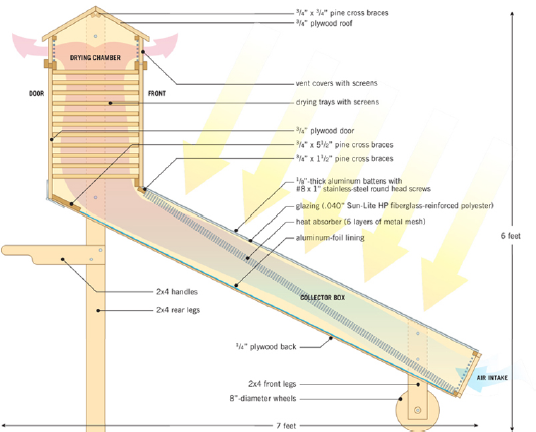
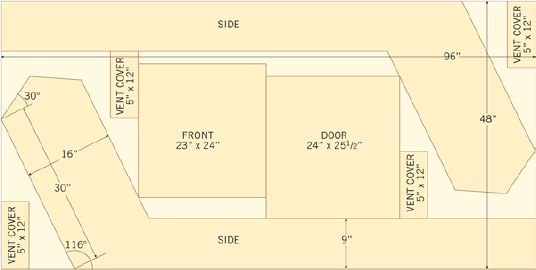
5. Drying or dehydration
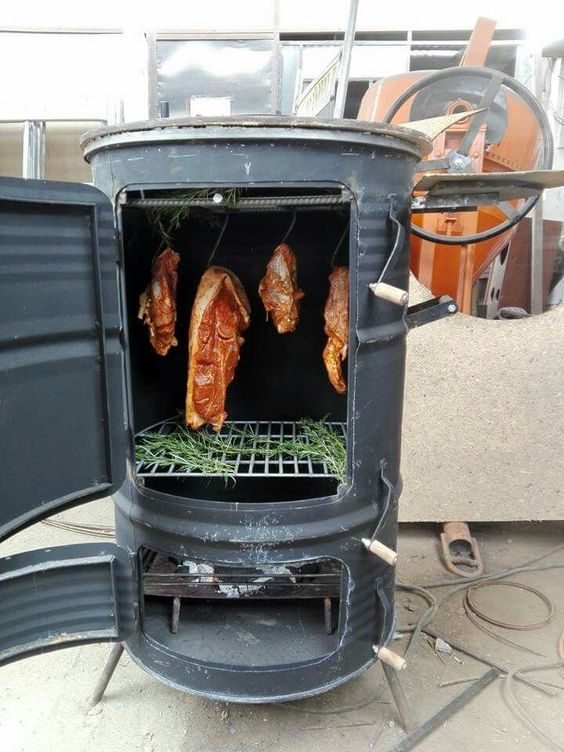
6. Smoking
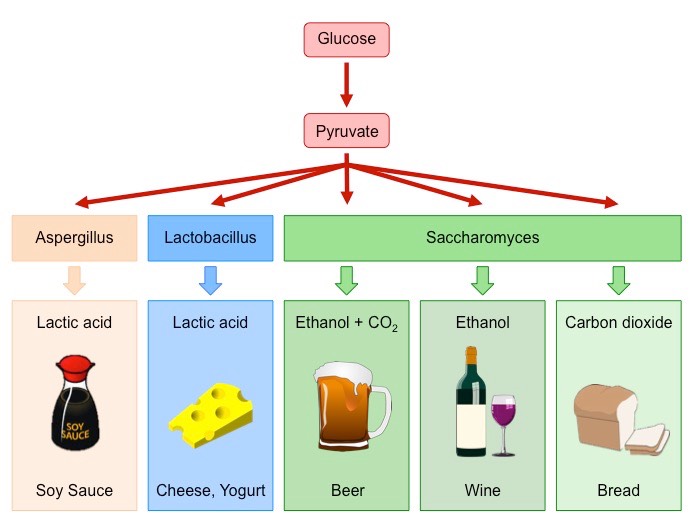
7. Fermentation
8. Pickling
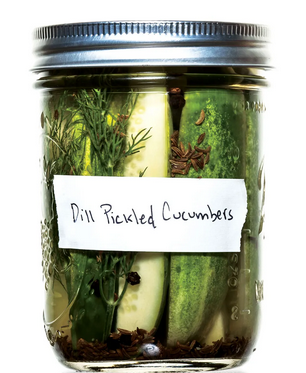
- Vegetables are cleaned and cut into shape, then placed in a cold brine of 200g salt per liter of water, for several hours. They are next blanched in saltwater and then transferred into jars (without the blanching liquid). The jars are then filled with the hot vinegar solution so that all vegetables are covered, but about 1cm headspace remains below the rim of the jar. The jars are closed immediately.
- Vegetables are cleaned and cut into shape and raw packed into jars. The vinegar solution with added salt and sugar is poured over the vegetables until they are completely covered, leaving 1cm headspace. The jars are closed and sterilized in a boiling water bath or autoclave.
- The vegetables are cleaned and cut into shape and boiled for a few minutes in the vinegar solution that contains also sugar, salt, herbs and spices (as per recipe). The Vegetables together with the boiling hot brine are then filled into jars, and immediately closed.

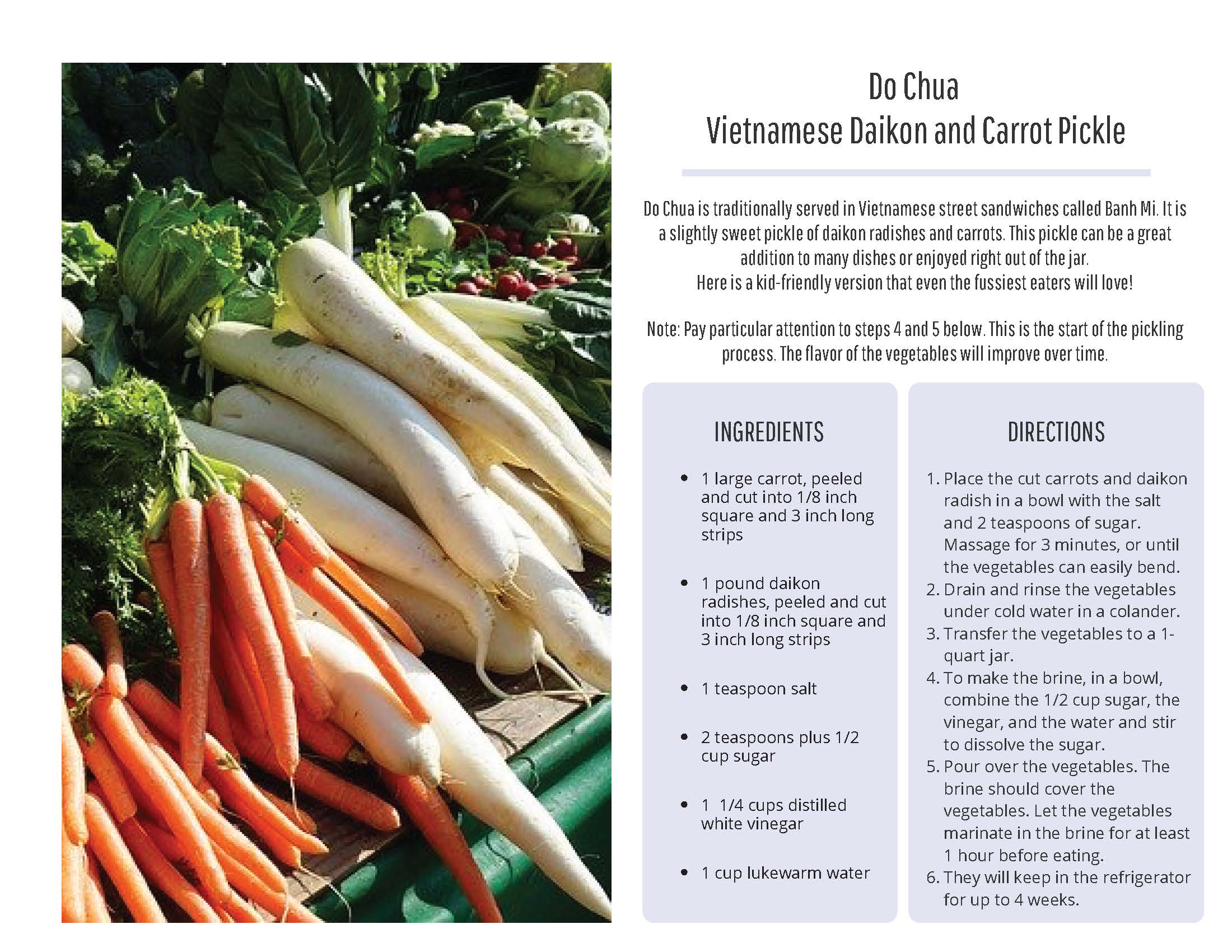
8.1. Pickling example: Do Chua
9. Vacuum Sealing
This is the process of sealing food in an airtight container to preserve it. Under no-air storage conditions, microbes cannot grow and survive.
During vacuum packing, the foods are placed in a plastic bag, and a vacuum is created inside the bag, by sucking the air out of the bag.
This method is also used for preserving nuts as it avoids oxidation reactions, such as rancidity, and thereby preserves the flavor.
Find more about vacuum packaging here.
10. Modern methods of food preservation
Irradiation
During this process foods are exposed to β-particles or γ-rays radiation to kill bacteria, molds, pests, and others. Although WHO and FAOn approved this
process it must be noted, that the regulations for food irradiation vary greatly from country to country. In
many countries of the European Union only
dried herbs, spices, and seasonings can be processed with irradiation.
Chemical preservatives
Antimicrobial chemical agents are added for the long-term preservation of foods. These chemical agents are added in small quantities, as larger amounts can be toxic. Acids and benzoates are used to preserve acidic foods, such as jams, salad dressings, juices, pickles, carbonated drinks, and soy sauce. Sorbic acids and sorbates and sulphites are used to preserve cheese, and juices. Nitrates and nitrites are used to preserve meat products. For wine and dried fruits sulfur dioxide and sulfites are used, whereas propionic acid and propionates are used for baked goods.
Pascalization
In this process, foods
like juices and meats are exposed to very high pressure ( ~5000kg/cm2) to destroy microbes.
This process helps to retain the food’s original flavor, texture, and
nutrients.
Hurdle technology
In hurdle technology, more than one approach is used to inactive the microbes. These combined preservation approaches act as multiple hurdles for microorganisms in order to prevent spoilage. Some of the hurdle approaches are high temperature, in combination with pressure, acidity, and adding biopreservatives. The selection of hurdles depends on the food’s nature and potential pathogens.
Nonthermal plasma
In this process, the food surface is exposed to a flame of ionized gas molecules, such as nitrogen or helium to kill the microbes on the food’s surface.
Modified atmosphere
In this process, the oxygen inside an airtight and sealed packaging or storage environment is reduced to 1% or 2%, and carbon dioxide (CO2) and/or nitrogen gas (N2) is increased to prevent the growth of bacteria, insects, molds, and to prevent oxidation reactions.