
Glossary
Not
every single piece of interesting or useful information can be
contained in the lectures of this course. The digital format of this
course however, makes it easy to provide and link extra information in a
glossary. We hope you enjoy reading through the glossary entries and
make good use of the treasures we have 'hidden' here.
Special | A | B | C | D | E | F | G | H | I | J | K | L | M | N | O | P | Q | R | S | T | U | V | W | X | Y | Z | ALL
U
UltrafiltrationA process where a liquid is passed over membranes, which have minute pores that prevent macronutrients, such as protein, from passing through. | |
UnicornA privately-owned start-up that has reached a valuation of over $1 billion. | |
Unique Selling Point (USP)A benefit that a business offers to its customers that its competitors do not. | |
Urfa biberUrfa biber is a traditional Turkish dried chili pepper originating from the city of Urfa. These peppers are distinguished by their dark burgundy color, flakes of irregular sizes, and a flavor that's best described as sweet, salty, sour, and smoky. Urfa
peppers are harvested when they're orange-red or dark red, and they are
then dried in the sun during the day. At night, they're covered with
plastic or fabric in order for the peppers to preserve their natural
oils from the skin. As a result, the peppers become dry, but not
entirely, before they're coarsely ground with a bit of salt and packed. 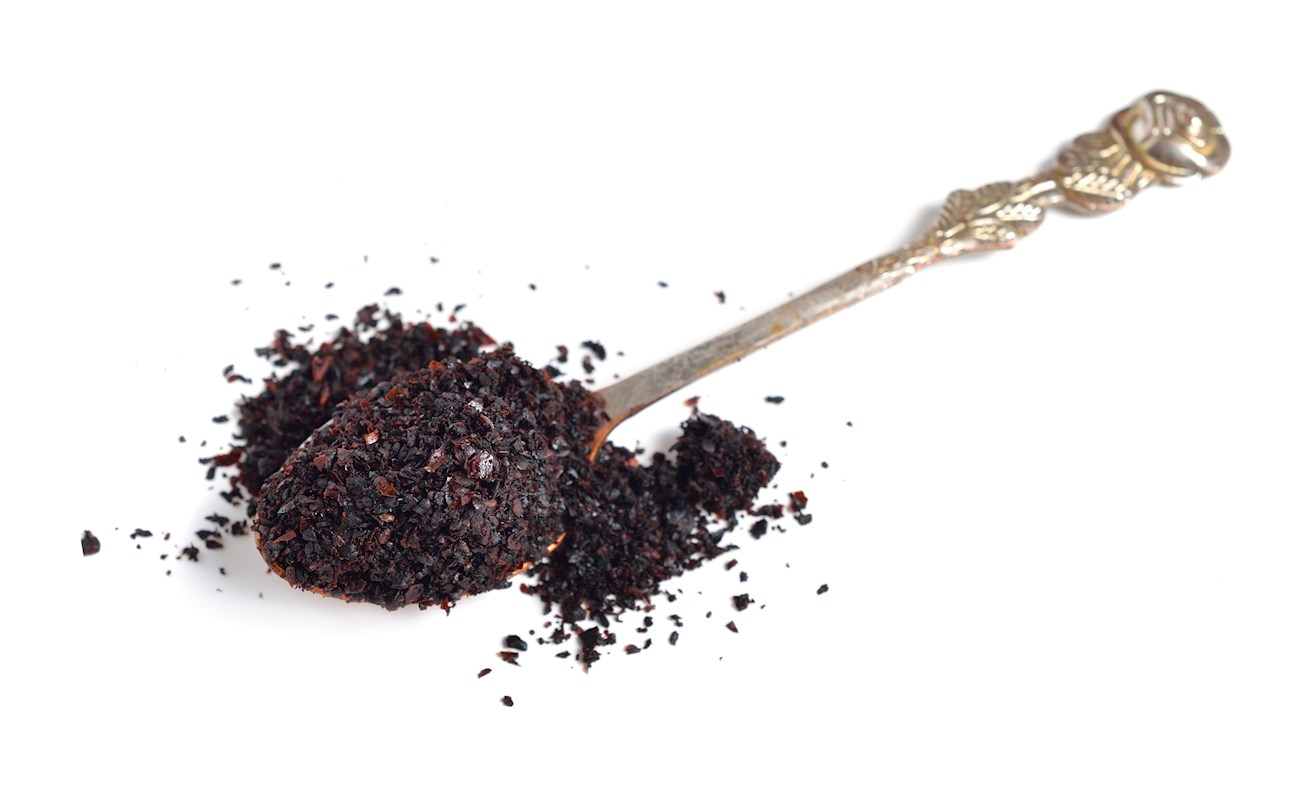 | |
Use-by dateA use-by date on food is not about quality like the 'best before date' but about safety. Eating food after the use-by date pauses a serious health risk. Use-by dates have to be applied on food that goes off quickly, such as meat products or ready-to-eat salads. For the use-by date to be a valid guide, you must carefully follow
the food's storage instructions. For example, if the instructions on the
packaging tell you to refrigerate after opening, you should keep the
food in a fridge at 5°C or below. You can cook food until midnight of the use-by date listed on the product, and then cool and keep it in the fridge. This is because cooking kills any pathogens in the food and thid gives you a little more time to use it up. You must then eat the food within 48 hours or freeze it to eat later. After the use-by date, don't eat, cook or freeze your food. Source: https://www.food.gov.uk/safety-hygiene/best-before-and-use-by-dates | |