Sensory Physiology
| Site: | Plattform für Weiterbildung und Internationalisierung der Hochschule Weihenstephan-Triesdorf |
| Course: | Entrepreneurship in Food |
| Book: | Sensory Physiology |
| Printed by: | Gast |
| Date: | Sunday, 26 July 2026, 4:03 AM |
Description

1. Introduction
Sensory analysis depends on the human senses of sight, hearing, smell, taste, and touch.
Each food has a certain appearance, smell, texture, taste, temperature, makes a certain noise when we bite into it, etc. These so called stimuli are perceived by our sensory organs, the eyes, nose, mouth, skin, and ears. Each organ has receptors for corresponding stimuli, meaning we can see the colour of a tomato, but not how it smells or hear how sour or sweet it is and so on. Each receptor receives a particular stimulus and moves it along the nerve system to the brain, where the received stimulus is processed into information about the food that is being eaten.
Each organ has its own sensory system, which in scientific terms are called the visual system (sight), olfactory system (sense of smell), gustatory system (sense of taste), somatosensory, tactile, and thermoreceptive system (sense of skin- or mouthfeel, touch and temperature), auditory system (hearing).
All senses work together to create a complete impression of the food. How each stimulus is perceived and judged often depends on the fit of the received stimuli with each other and our expectations.
We expect a certain texture, smell and flavour of a red tomato. If it does not meet our expectations we might just be pleasantly surprised or disgusted. The role of our sensory systems is to ensure we can detect foods, which could be potentially hazardous, because they are poisenous, unripe, rotten or contaminated.
Another function of
our gustatory system (taste) is to identify carbohydrate (sugar-rich) or salty (NaCl-rich) foods, which are
essential for energy balance and cell function. Perceived smell and taste also trigger the
release of digestive enzymes and gastric acid to prepare for the digestion of the food that is being eaten.
2. Types of stimuli
To perceive a food in its entirety we use several senses to detect stimuli. They are described in detail in the following chapters.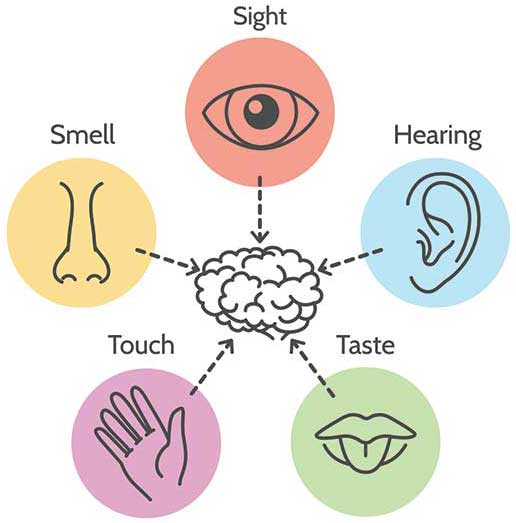
2.1. Optical stimuli
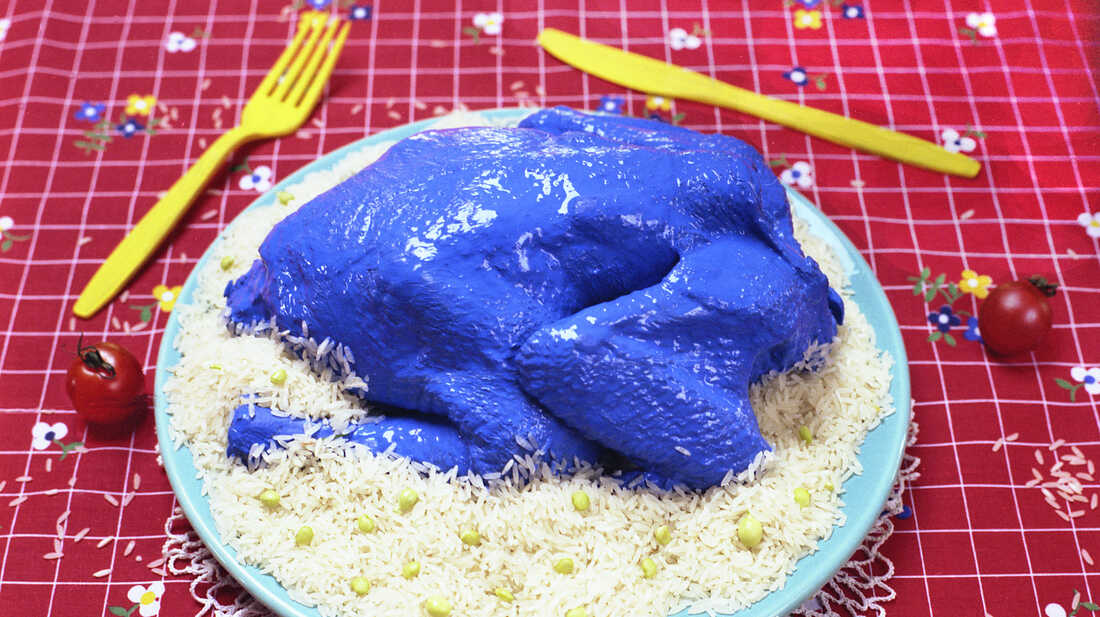
Optical stimuli are the characteristics of a food that are perceived by the eye:
Color, shape, structure, appearance
The visual appearance is usually one of the first impressions we get about a food.
2.2. Acoustics
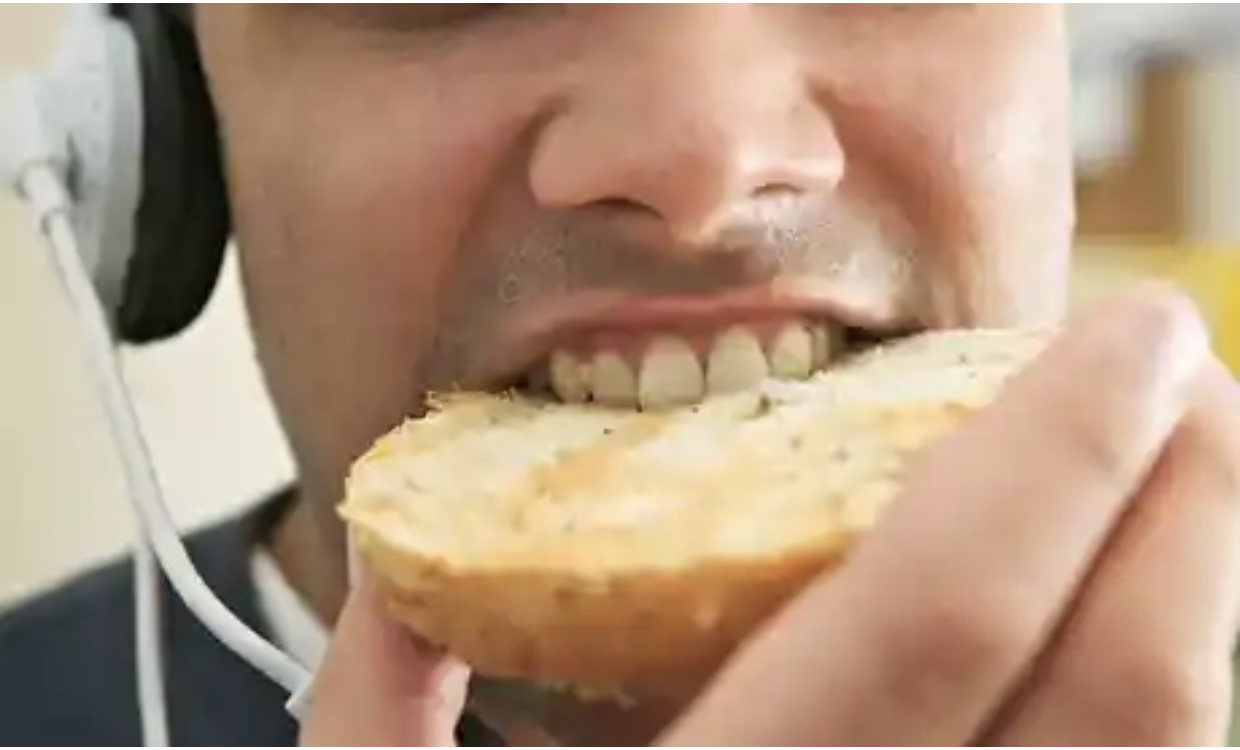
Acoustics are the perceptible noises when biting into or chewing food, like:
crunchy, crispy, etc.
It could also be the sizzling of very hot food.
2.3. Texture
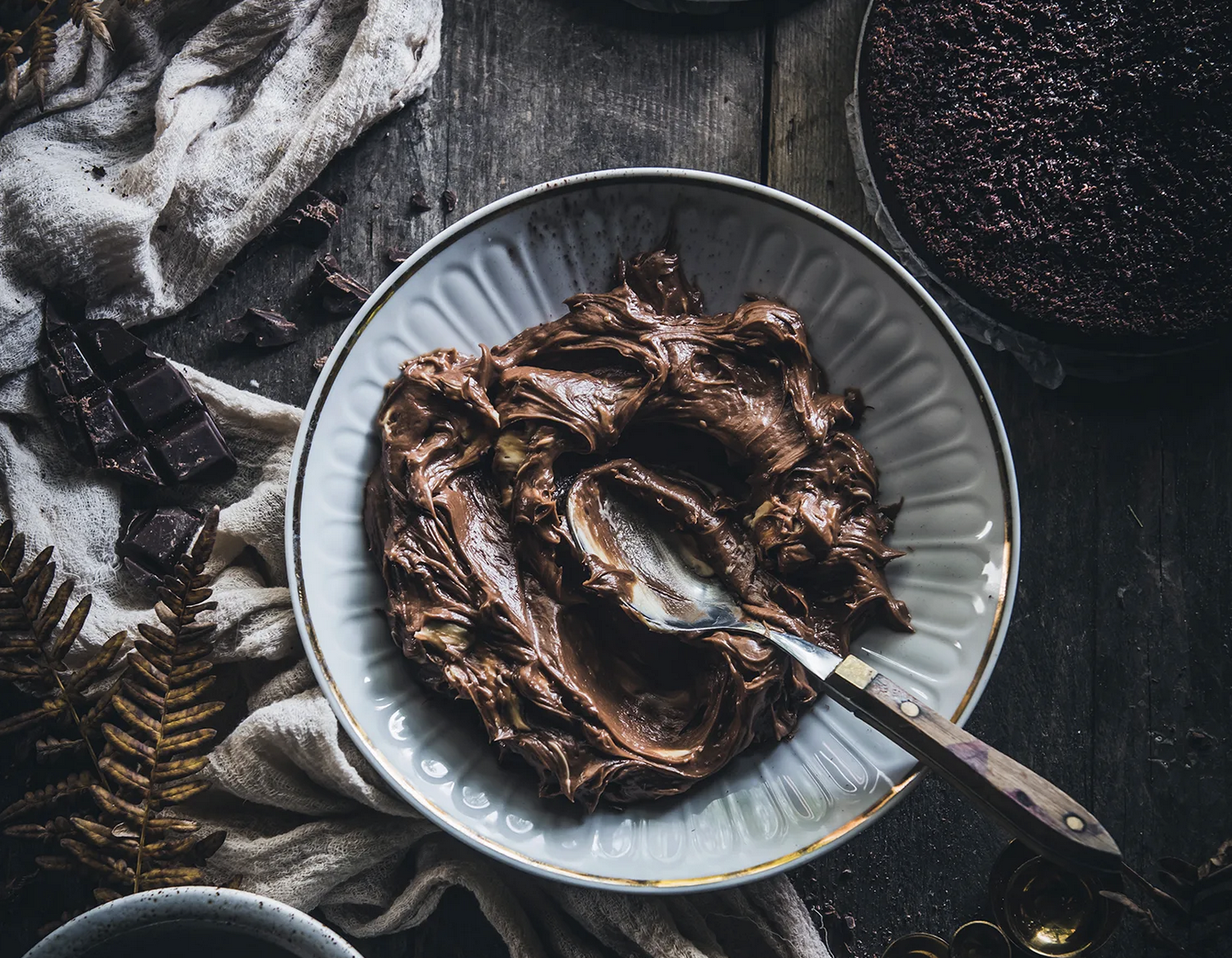
Texture describes the tactile
sensation of the tongue, oral cavity and throat, like:
Chewing resistance,
cracking, smoothness, creaminess, consistency, etc. It is also described as mothfeel.
2.4. Thermal and trigeminal stimuli
These sensations are not taste, but "pain" sensations.
1. Temperature sensitivity
We perceive things as lukewarm if they are around our body temperature @ 36°C up to 43°C.
Above 43°C food is perceived as warm up to a temperature of 52°C
and as hot above 52°C.
The stimulus of hot food triggers a reaction of sweating and increased breathing.
Food is perceived as cold if it has a temperature below 17°C.
Cold food triggers an increased blood flow.
Outside the
normal temperature range very cold or very hot food is perceived as painfully
uncomfortable.
2. Trigeminal impressions
These sensations are caused by certain chemical properties of food. They play an important role in protecting the mouth from potential tissue damage.
We differentiate different such stimuli into:
Burning heat sensation, caused by contact with chili; perceioved by the capsaicin
receptor
Burning cold sensation, caused by mustard oil; perceived by the wasabi
receptor
Cooling sensation, caused by mint or eucalyptus; perceived by the menthol receptor
Pungent sensation caused e.g., by onions, vinegar and alcohol
Sharp, stinging sensation caused e.g., by pineapple or cigarette smoke
Sparkling,
tingling sensations, caused e.g., by sparkling beverages (CO2) or Sichuan pepper
Astringent sensations, caused e.g., by pomegranate, red wine or black tea.
2.5. Odor
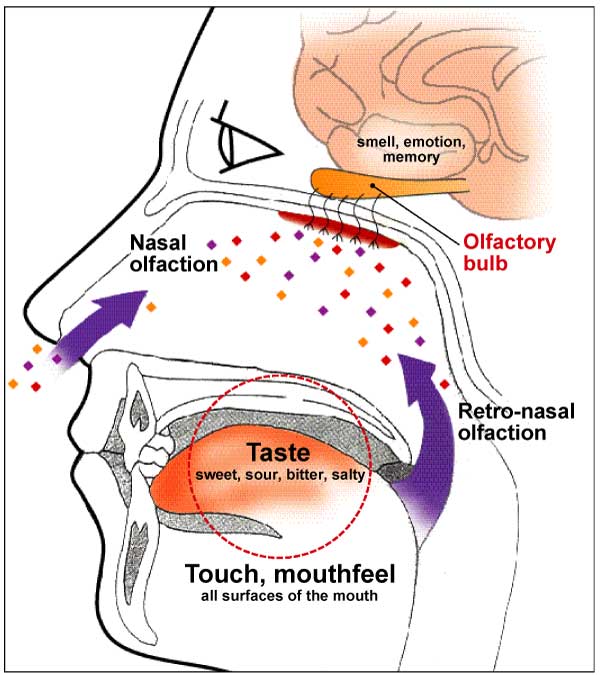
Smell is
perceived through the nose (nasal) and the throat (retronasal). Odor is
perceived by olfactory cells, which line the olfactory mucosa. Each cell has a
specific receptor, to which the odor carrying molecules can dock. The perceived
sensation is translated into information for the brain. The sense of smell is
closely related to the limbic system, which controls our emotions. Smells therefore
always trigger a reaction as pleasant, unpleasant, safe, unsafe, as expected,
unexpected, off-etc. Odors are usually made up from a mixture of more than 100
fragrances. Therefore, smells are difficult to describe. The brain usually
compares perceived an aroma to saved “templates” and they are usually described
as comparisons: “It smells like…”. 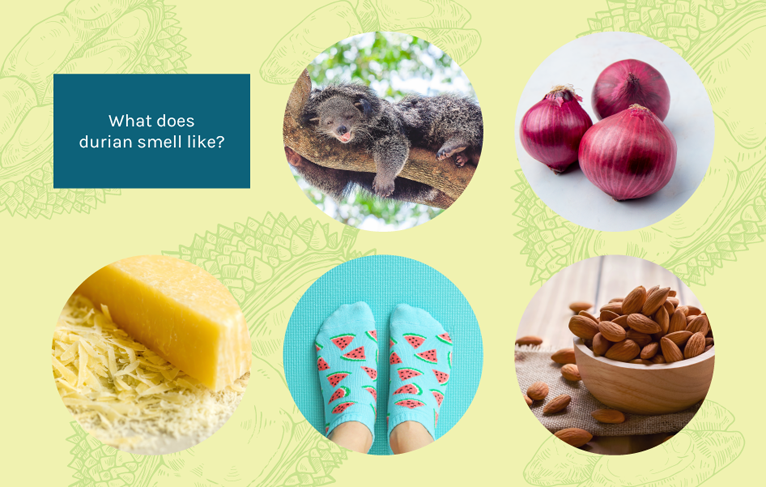
Humans can get used (adapt) to a particular smell and are then no longer able to perceive it.
2.6. Sites of sensory perception
2.7. Common odor descriptions
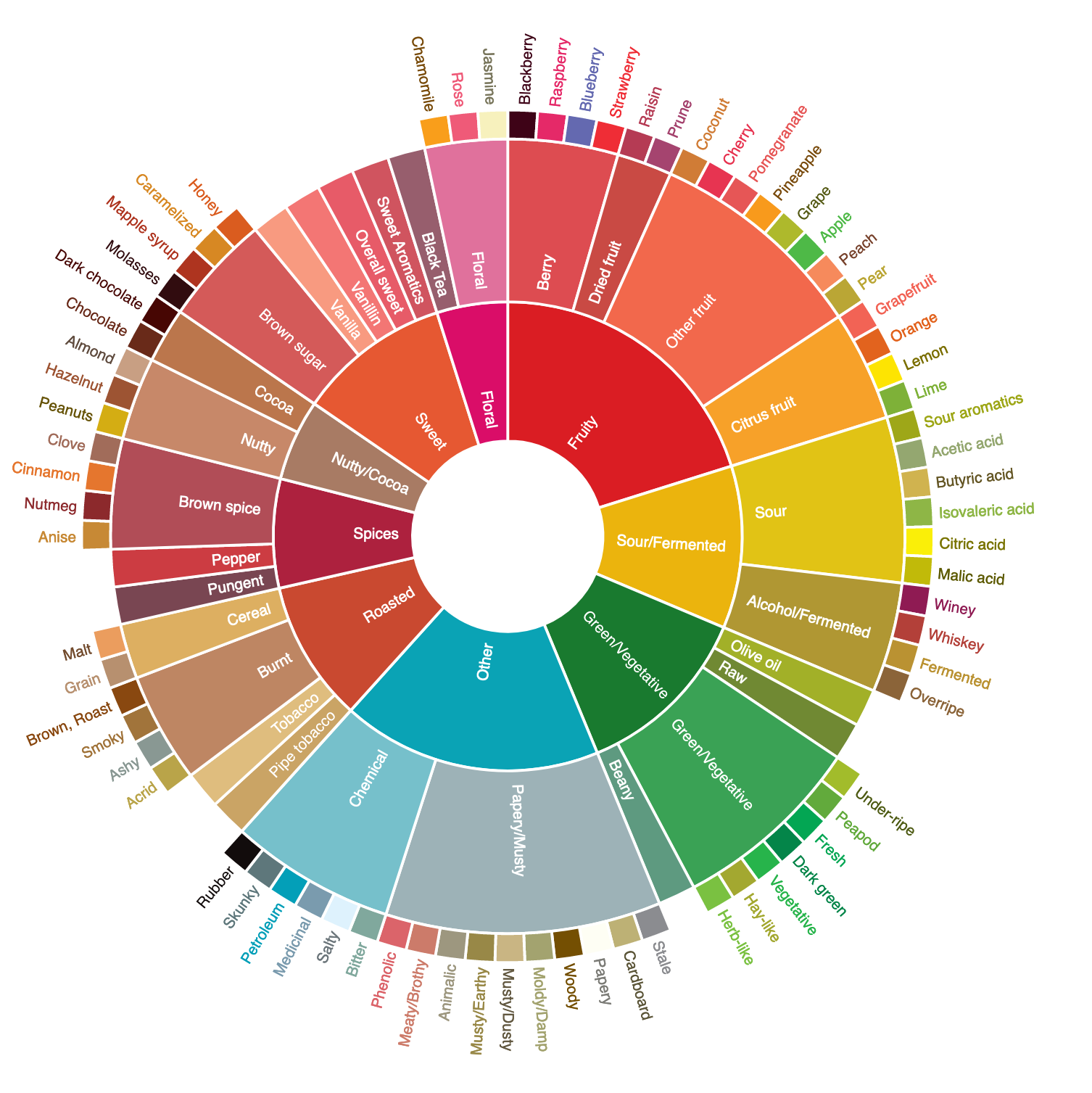
Odors are frequesntly described in terms like:
- Fruity
- Greasy
- Floral
- Earthy, musty, mushroom, yeasty
- Woody, forest, fir
- Grassy, green
- Herbal
- Spicy
- Burnt, roasted, smokey
- Savoury
- Rancid
- Nutty
- e.t.c.
2.8. Taste
Taste describes stimuli perceived with receptors on the tongue, palate, and throat.
The human tongue can detect proteins (umami), and differentiate the tastes sour, sweet, bitter and salt. While the detection of sweet, salty and umami serves the need for uptake of carbohydrates, salt and protein as major food and mineral sources, the detection of bitter and sour serves to assess the ripeness of fruits, to warn against possible microbial spoilage and detection of possible toxins.
Umami can be perceived over the whole tongue, sour, sweet, salty and bitter on the other hand are perceived at different locations on the tongue.
2.9. Umami
Umami is a Japanese loan-word used to describe the fifth taste (other
than sweet, salty, sour, and bitter). It is a taste we have specific
taste receptors for in our mouths triggered by being exposed to foods
that contain amino acids and or nucleotides. Umami is often described as a savory taste, but it is not just limited
to salty foods. Baked goods such as cakes and cookies benefit from the
umami taste from Maillard browning in baked products. In its purest form, umami is the taste of MSG or
monosodium glutamate. Although MSG is produced in a lab by fermenting
proteins containing glutamic acid, glutamate is a compound found
abundantly in nature. That's why it is possible to make umami-rich
dishes without adding MSG.
2.10. The tongue as a sensory organ
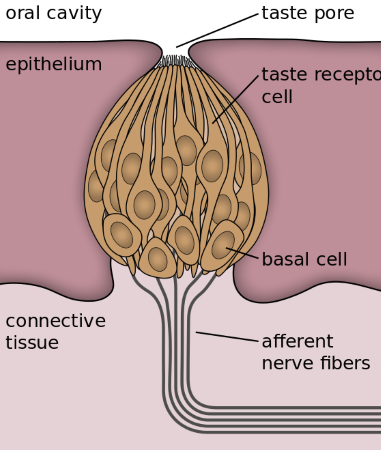
Scattered over the tongue, but mostly clustered along the edge of the tongue, are taste buds. Each taste bud is a cluster of 50-150 sensory receptor cells. Each sensory cell has receptors only for a specific kind of taste, the so-called tastant: sour, sweet, bitter, salty or umami. The molecules of food that carry the taste are dissolved in the saliva and carried to the taste pore, which is the area, where the taste bud opens into the tongue suface. From there, the tastant is received by the receptor cell and the sensation is then carried via nerves to the brain, where it is translated into information.
3. Summary
The assessment of a food is always a combination of the information collected by all the senses and put together in the brain. The aroma, which was perceived by the olfactory senses (smell) combined with the information from the taste buds (sour, sweet, bitter, salty) makes up the sensation we commonly perceive as taste. Together with the appearance and texture of the food (mouthfeel and sound it makes when chewed) can the brain make a quick judgement if the food is enjoyable, edible or a possible health hazard.