What is waste management?

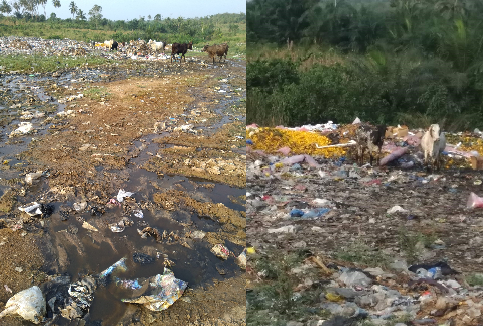
What comes to your mind when you see images like these of the municipal waste dump in Adeiso, Ghana?
1. The many R's of waste management
Watch the animated video below in fullscreen mode for better visability.
Transcript of the animated video above:
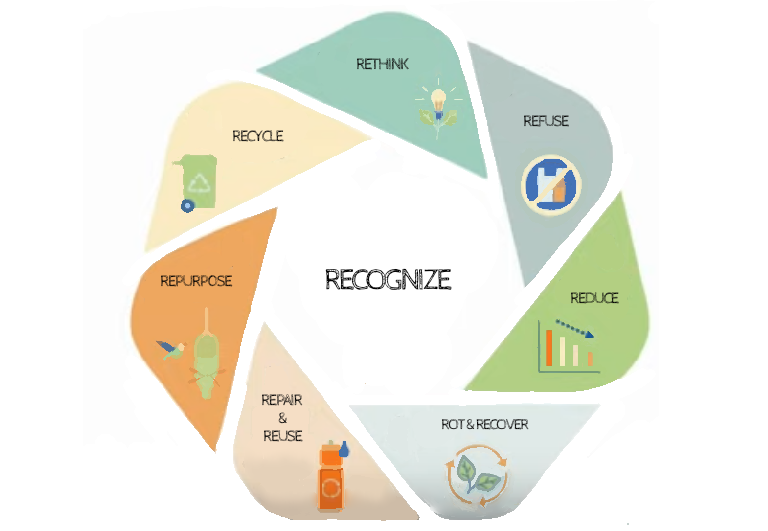
The principles of waste management can be described by a number of mottos that all start with an R:
Recognize - to be able to manage waste it is necessary to understand where in the production process which kind and quantity of waste is produced.
Rethink - waste management starts with understanding the problems created by neglecting the issue of waste and thinking of better solutions.
Refuse - the best way to manage waste is by not producing it in the first place. Once you recognized the areas where you produce waste make changes towards buying recyclable products and refusing unnecessary product packaging.
Reduce - if waste cannot be avoided completely try to find solutions to at least reduce the amount of waste created.
Reuse - try to find options of materials that can be used more than once before they turn into waste.
Repurpose - many materials might be suitable for 'upcycling', meaning they can be used again with a different purpose or made into something else.
Repair - instead of disposing of a broken piece immediately check if repairing it is a viable option to prolong its lifespan and delay its becoming waste.
Recycle - waste that has been collected seperately can be used for recycling, like paper, glass, metals and certain plastics.
Rot - organic wastes are an important source of nutrients and organic matter and should be collected seperately to be composted and returned to the nutrient cycle.
Recover - if nothing else can be done to repurpose or reduce the waste, the remaining garbage should not end up in a landfill, but be incinerated in such a way that it can be used to recover the energy as heat or electricity.