Materials for packaging

4. Rigid Materials
4.3. Metal cans
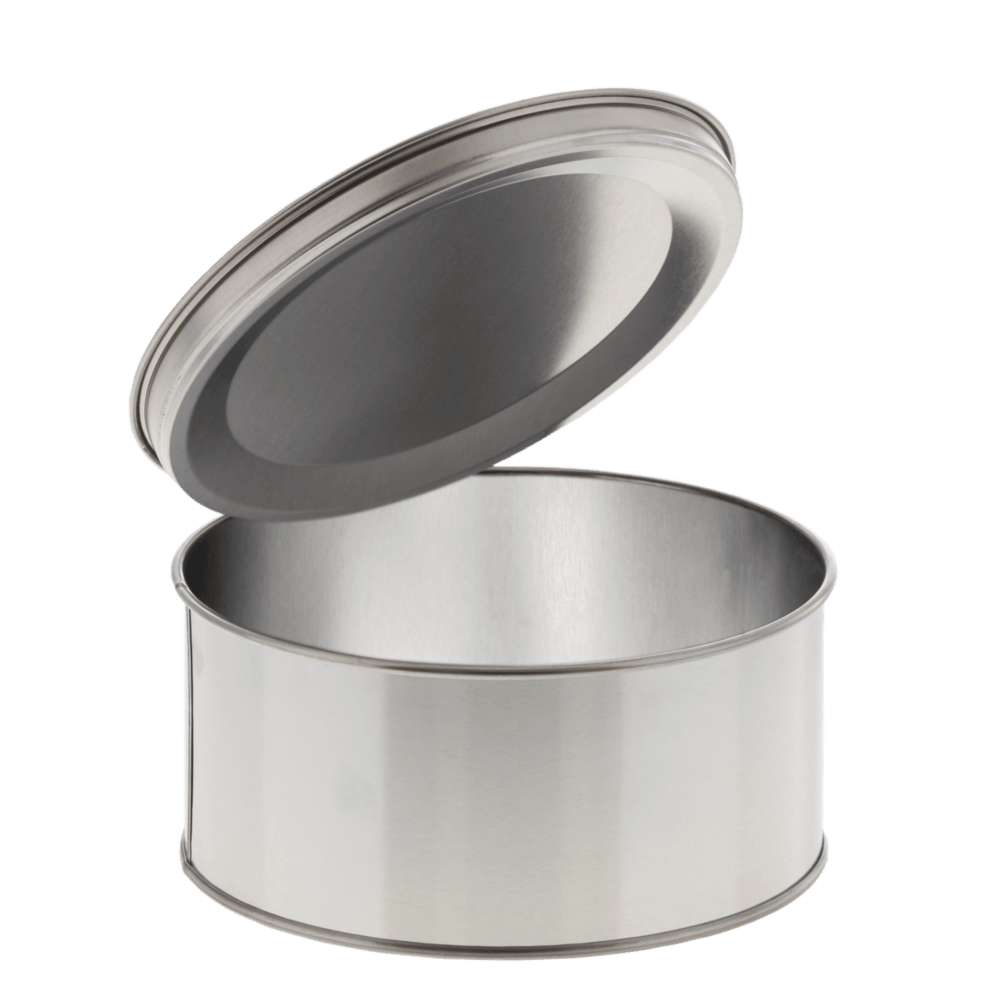
Cans are made either from non-coorosive tinplated steel or from aluminium, which is cheaper and light-weight. For use with acidic foods it is necessary to use tinplated cans with an appropriate inside coating, as it can errode the tin layer causing tin to dissolve into the food, causing nausea and digestive problems. However, the currently common coatings contain Bisphenol-A (BPA), a controversial chemical compound, which also leaches into acidic foods. Other disadvantages of metal cans are that the product is not visible. For these reasons canned food generally has a cheaper image than glass conserves and is therefore not so useful for high quality products.
On the other hand do cans also have several advantages as packaging materials: hot and cold filling is possible, and the filling process is easy and fast due to the large and straight mouth of the can. Canned foods have a long shelf live and provide absolute protection from light and oxygen and therefore also against discoloration or oxidation of the product.
Cans are closed with a metal lid and equipment is needed to close/seal the cans. Also sterilization of the filled cans is necessary to avoid spoilage from
microorganisms. Therefore, cans are only suitable for products that are cooked and can
withstand temperatures of 121◦C.