
Materials for packaging

5. Sustainable packaging materials
5.3. Biodegradable plastics (Bioplastics)
Bioplastics
are a group of different materials that are either fully or partially biobased (from natural non-petrochemical sources like sugarcane ethanol) but non-biodegradable, such as Bio-PE and Bio-PET, or biobased and biodegradable, like PLA and PHA.
Polylactic acid (PLA) is a bioplastic that is both biosourced and biodegradable. It is made of renewable resources such as corn or sugar cane which are fermented into lactic acid, and then transformed into a monomer called lactide. This lactide is then polymerised to produce PLA.
The compostability of PLA had until recently been limited since it
required constant high temperatures and long composting times. A recently permitted additive now allows microorganisms in the compost to assimilate PLA faster and together with other biowastes.
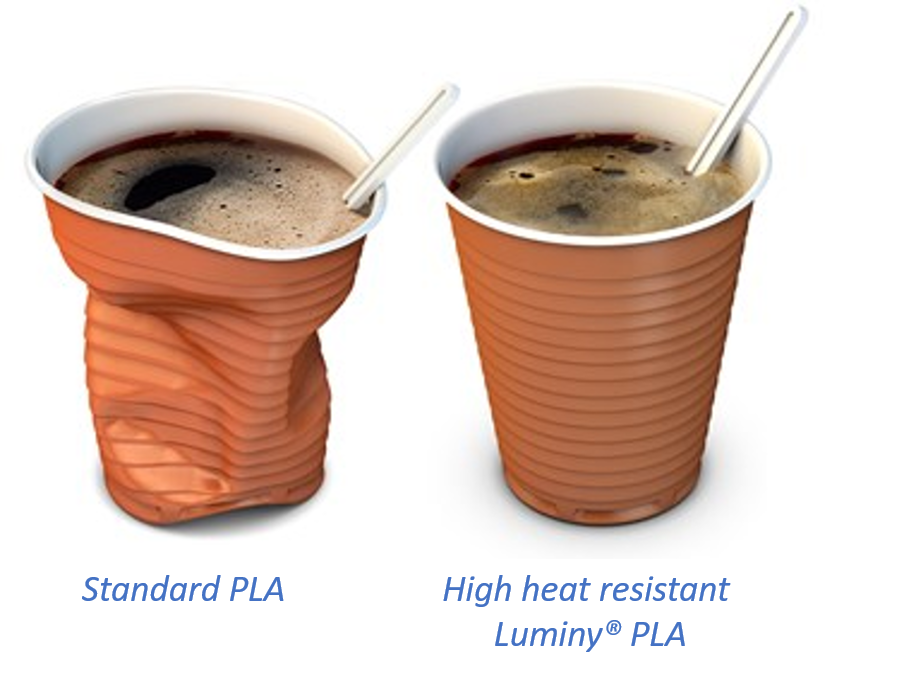
PLA products include clear bottles for cold filling (max. 40ºC), used for dressings, smoothies, non-carbonated beverages, etc.; single-use cups and lids for drinks, fingerfood, fruits and salads; re-usable freezer bags, etc.
Other biobased engineering plastics such as PTT, or TPC-ET or new biodegradable plastics made from fossil resources such as PBAT and PCL are currently developed.
Cellophane (cello) bags are made from plant cellulose and are 100% compostable. They are are aesthetically pleasant packaging for baked goods, nuts, candy, musli and more. They can be closed with string, ribbons or clips.
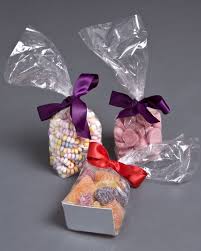 Image source: https://www.bagitplastics.co.uk/cellophane-sweet-bags-block-bottom-with-card-base-cello-clear-candy-food-safe-22453-p.asp