The role of accounting in Management

1. Introduction
There is a difference between financial and managerial accounting. What was discussed in topic 11 on Business Financing
concerned the financial accounting. This is done by accountants, like
preparation of financial statements to present the companies financial
situation to banks, investors or the tax office. Accountants are often
external experts that are hired on a per task basis, e.g. to prepare the
accounts for the annual audit. In this topic we will look at the
importance of bookkeeping for management purposes.
Many
entrepreneurs have to do the bookkeeping themselves, as they do not yet
have the capacity to employ a bookkeeper. However, that should be one
of the first people you get on board. Many entrepreneurs struggle to put
bookkeeping systems in place and to keep up with the daily record
keeping. As soon as you lose track of your petty cash movements e.g. you
will find your company 'bleeding' money. If your cash is stuck in
unused stock or you are selling under price because you didn't get your
costing right, you will run into financial trouble very fast. To be able
to solve your problems you need to understand where they are.
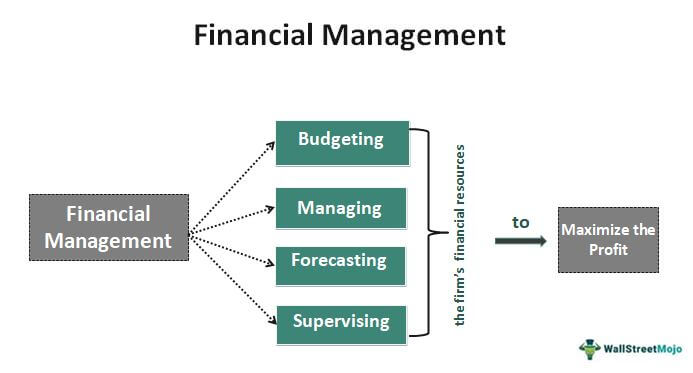
Peter Drucker once famously said:"What gets measured gets done." Financial management helps you to use your records as a management tool and to determine where you need to focus your attention. To be enable you to do that we will look at the different components of record keeping and what information they provide for your decision making.