
Glossary
Not
every single piece of interesting or useful information can be
contained in the lectures of this course. The digital format of this
course however, makes it easy to provide and link extra information in a
glossary. We hope you enjoy reading through the glossary entries and
make good use of the treasures we have 'hidden' here.
Special | A | B | C | D | E | F | G | H | I | J | K | L | M | N | O | P | Q | R | S | T | U | V | W | X | Y | Z | ALL
C
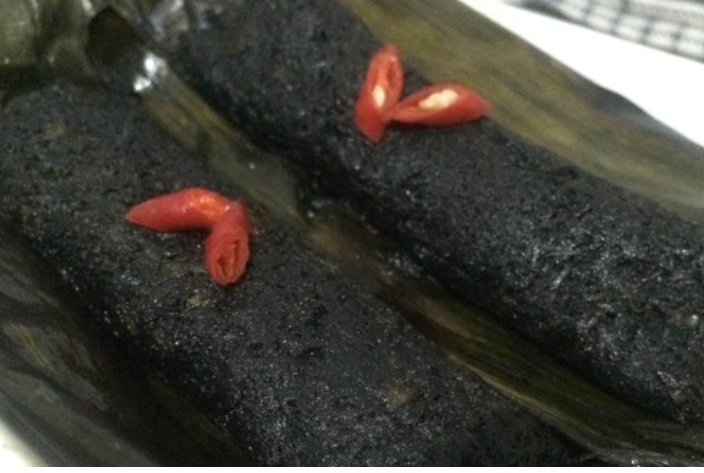
CabukCabuk is a traditional speciality from Java (Indonesia). Fermented shredded (defatted) black sesame that has a combination of sweet, savory,
and spicy flavours. Unlike other fermented seeds it does not undergo an alkaline fermentation process, but maintains a neutral pH. While the fermentation process is in the beginning dominated by Bacillus sp., does the substrate later on get contaminated with yeasts and Micrococcus and Staphylococcus that bring the pH after an initial rise down to neutral. | ||
CaffeineA stimulant compound found naturally in coffee, tea, and cocoa (chocolate) and added to some soft drinks, | |
Calories (cal)A unit of energy in food. 1 calorie describes the amount of energy required to raise the temperature of 1g water by 1°C at 1atm (atmospheric pressure). Calories are listed in the nutritional information on food packaging. Calories are usually measured in kilocalories (kcal), which equals 1000 calories, or kilojoules (kJ). 1kJ equals around 239 calories. | |
CanningCanning is the method of preserving food in air-tight vacuum-sealed containers and heat processing sufficiently to kill microorganisms and thereby to enable storing the food at room temperature. | |
Capital ExpenditureMoney spent on buying or improving items that will be owned by a business for a long time, for example, buildings or equipment. | |
CaramelisationThe chemical change of heated sucrose (sugar) to caramel, which produces flavour and browning. Caramelisation is a type of non-enzymic browning reaction.
| |

CarbohydraseA group of enzymes that breaks down carbohydrate into simpler sugars. Carbohydrases are produced in the pancreas, salivary glands and small intestine. | |
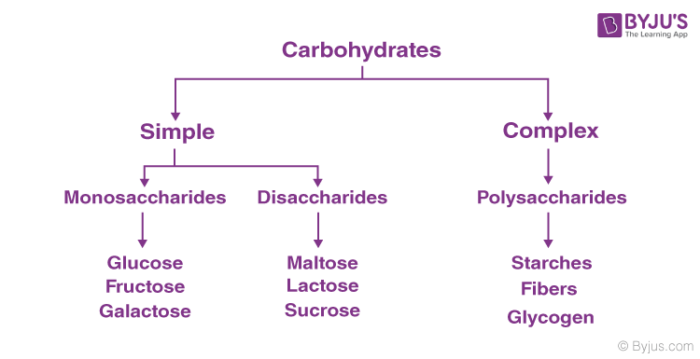
CarbohydrateCarbohydrates are one of the major components of food, like sugars, fibres and starches. Chemically, carbohydrates are large macromolecules consisting of carbon (C), hydrogen (H) and oxygen (O). Their general formula is Cx(H2O)y. Carbohydrates are classified into different groups:
Monosaccharides are carbohydrates possessing a single carbon chain. Disaccharides and trisaccharids refer to molecules containing two or three such monosaccharide units joined together by acetal or ketal linkages. Oligosaccharides refer to larger aggregates, with up to ten monosaccharide units, while polysaccharide are aggregtaes with more than ten monosaccharide units.
Image sources: kaynutrition.com.types-of-carbohydrates https://byjus.com/chemistry/classification-of-carbohydrates-and-its-structure/ | |

Carbohydrate loadingEating a diet that provides a high proportion of energy from carbohydrate (up to 70% of | |