
Glossary
Not
every single piece of interesting or useful information can be
contained in the lectures of this course. The digital format of this
course however, makes it easy to provide and link extra information in a
glossary. We hope you enjoy reading through the glossary entries and
make good use of the treasures we have 'hidden' here.
Special | A | B | C | D | E | F | G | H | I | J | K | L | M | N | O | P | Q | R | S | T | U | V | W | X | Y | Z | ALL
P
Pectinolytic enzymesGroup of enzymes mainly used in the beverage industry to break down pectin in plant cellwalls, e.g. to increase yield in juice extraction or to dissolve the pith of citrusfruits. | ||
PeristalsisThe wave like movement of the muscles in the gastrointestinal tract. These muscle contractions move the substances along the tract. | |
Physical propertiesProperties that determine a food’s size, shape, colour, volume, viscosity and elasticity properties. | |
PhytochemicalsA variety of biologically active non-nutrient plant chemical compounds that have beneficial effects on the body. | |
PhytoestrogensA group of phytochemicals that are converted by gut bacteria into hormone-like compounds that imitate the human hormone oestrogen. | |
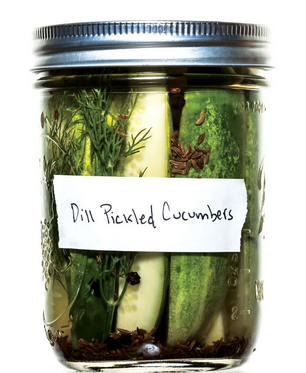
PicklingPickling is the practice of preserving a low-acid food (usually vegetables) by adding enough vinegar or lemon juice to lower its pH to 4.6 or lower. Usually salt, sugar and spices are added as well to balance the acidity. Pickling is also possible by immersing the food in a salt brine to induce lactic acid fermentation, which provides the needed acidity to preserve the food. For longer preservation periods pickled foods are heat processed (canned). For immediate consumption foods can be pickled in a brine and kept in the refrigerator for 24 hours to change its flavor and texture.
| ||
PivotWhen a company recalibrates and makes significant changes or shifts in its business
strategy based on innovation, customer feedback or preferences, or any other factor
that has an impact on its bottom line. | |
Polyphenol oxidases (PPOs)Polyphenol oxidases are copper-containing enzymes that are naturally found in certain vegetables and fruits, where they catalyse the oxidation of polyphenols and cause browning. There are two types of inhibitor of PPO, those competitive to oxygen in
the copper site of the enzyme and those competitive to the phenolic compounds. Examples of inhibitors of these enzymes are: Tropolone, potassium metabisulfite, dithiothreitol and sodium metabisulfite, and similar sulfur-containing compounds including sodium dithionite and cysteine, in addition to ascorbic acid (vitamin C). | |
Pop-Up (store/stall)A flexible way to test a business idea, usually opening as a temporary store, that will provide direct feedback from customers. | |